Testicular Pain: Symptoms, Causes & What It Means for You
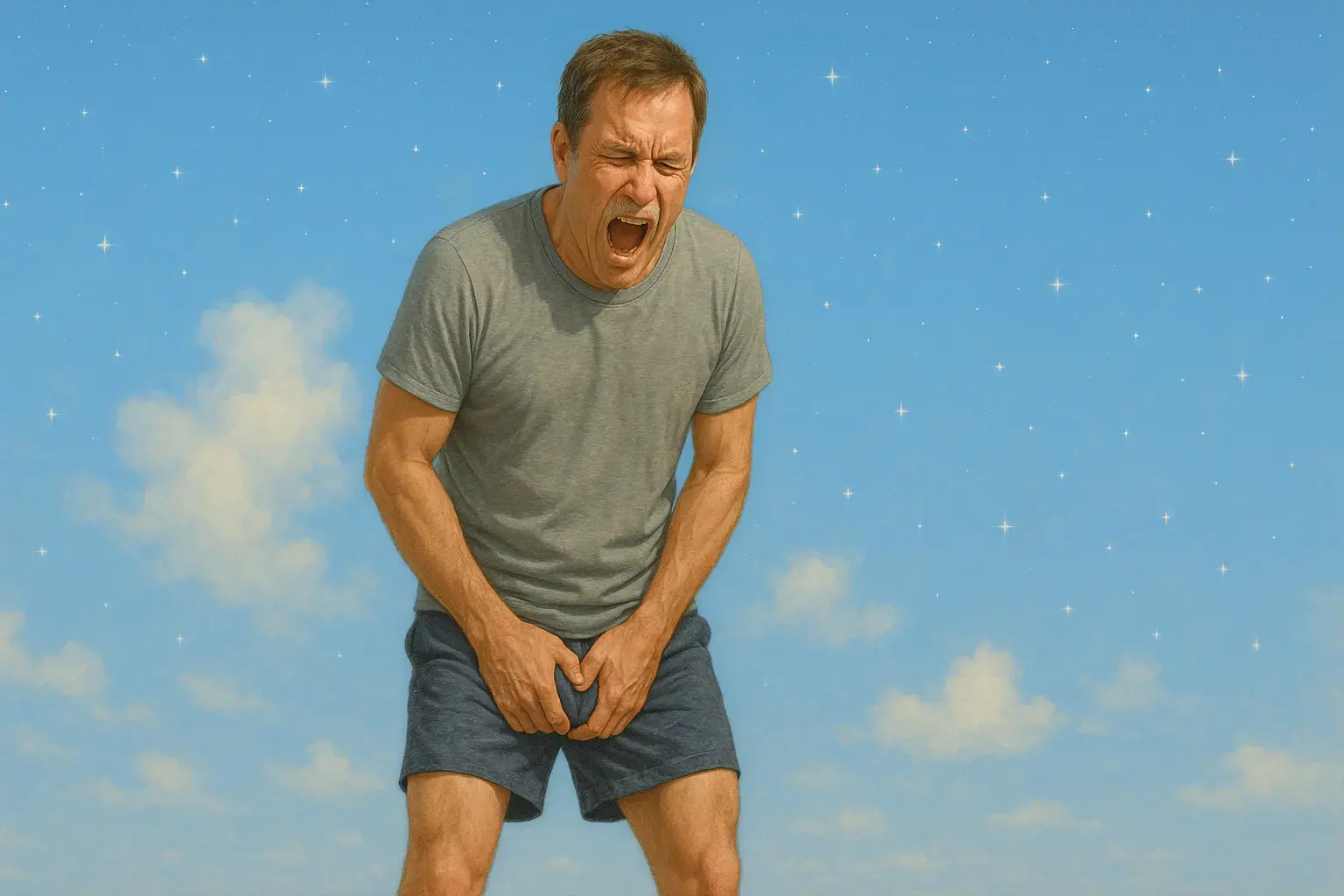
Testicular pain is something men don’t ignore easily. A sharp sting or a slow, dragging ache can feel unsettling — and in Bangladesh, many men choose to stay quiet out of embarrassment. But testicular pain can come from many different reasons. Some settle with time, while others need quick medical attention.
The testicles are extremely sensitive, filled with nerve endings, so even a mild injury can feel severe. Although many fear cancer, pain is rarely the first sign. Sudden, strong pain is more often linked to conditions like testicular torsion, which is a medical emergency.
What Testicular Pain Feels Like?
Testicular pain can hit suddenly or develop gradually. Sometimes it stays in one testicle; other times it spreads to the groin, abdomen, or lower back. Pain may also be “referred” — meaning the source is elsewhere, such as kidney stones.
You may also notice:
- Swelling or tenderness
- Redness or warmth in the scrotum
- A feeling of heaviness
- Nausea or vomiting
- Fever or chills
- Pain during urination or ejaculation
- A lump in the scrotum
- Blood in urine or semen
These details help doctors figure out what’s behind the pain.
What Can Cause Testicular Pain
Testicular pain can come from infections, inflammation, injuries, circulation issues, or nearby organs. Here is a simplified and natural breakdown of the causes you listed.
Epididymitis
Inflammation of the epididymis — the coiled tube behind each testicle. Common triggers: STIs (chlamydia or gonorrhea), UTIs, prostate infections, injuries, or catheter use.
You may feel:
- Scrotal swelling and pain
- Warmth and redness
- Painful urination
- Fever or chills
- Penile discharge
Orchitis
Inflammation of one or both testicles, often due to viruses like mumps or bacterial infections that spread from the epididymis.
Symptoms include:
- Sudden pain
- Testicular swelling
- Fever or chills
- Nausea
- Pain during urination or ejaculation
Testicular Torsion (Emergency)
A twisted spermatic cord cuts off blood flow to the testicle and needs immediate treatment.
Possible triggers:
- Bell-clapper deformity
- Trauma
- Sudden movement
- Puberty-related growth
- Exposure to cold
Symptoms often include:
- Sudden, intense pain
- Swelling
- Abdominal pain
- Nausea or vomiting
- A testicle that sits higher than normal
Trauma or Injury
Because the testicles are exposed and sensitive, injuries from sports, accidents, or a direct blow can cause significant pain.
You may notice:
- Sharp, immediate pain
- Swelling or bruising
- Nausea or vomiting
- Blood in the urine
- Difficulty walking
Inguinal Hernia
Occurs when abdominal tissue pushes through a weak area near the groin, causing pain that can move into the scrotum.
Symptoms:
- A bulge in the groin or scrotum
- Pain spreading to the testicles
- Heaviness or pressure
- Pain while lifting or bending
Kidney Stones
Pain from kidney stones can travel downward and be felt in the testicles.
You may experience:
- Sharp side or back pain
- Pain radiating to the testicles
- Blood in urine
- Nausea or vomiting
- Frequent or painful urination
Varicocele
Enlarged veins in the scrotum, similar to varicose veins.
Typical signs:
- Dull, aching pain
- Enlarged or visible veins
- Scrotal swelling
- Heaviness
- Possible fertility issues
Hydrocele
Fluid buildup around the testicle that causes swelling. Usually painless, but larger hydroceles can create pressure or discomfort.
Common signs:
- Scrotal swelling
- Mild pain or heaviness
- Discomfort after standing for long periods
Testicular Tumors
Abnormal growths inside the testicle. Most start as a painless lump, not pain.
Symptoms may include:
- A painless lump
- Swelling or heaviness
- Rare testicular pain
- Back or abdominal discomfort
- Occasional breast tenderness
Post-Vasectomy Pain Syndrome (PVPS)
Chronic pain that appears months or years after a vasectomy.
Possible reasons:
- Spermatic cord irritation
- Nerve compression
- Blockage
- Scarring
- Immune response
- Sperm granulomas
Symptoms may include:
- Ongoing discomfort
- Pain during ejaculation
- Swelling
- A heavy feeling in the testicle
How Doctors Approach Diagnosis
Doctors consider how the pain began, where it spreads, and whether you have fever, swelling, a lump, or urinary symptoms. They also determine whether the pain is sudden (possible torsion), linked to infection, due to injury, or related to a condition like a varicocele.
A clear diagnosis is important because some causes need urgent care, while others improve with proper treatment and time.
Risk Factors for Testicular Pain
Risk factors for testicular pain vary depending on the underlying cause, but several themes appear frequently. In Bangladesh, many of these factors overlap with common lifestyle habits, sexual health patterns, or past injuries.
Key risk factors include:
- Age: STI-related epididymitis and orchitis are more common in younger, sexually active men.
- Past testicular trauma: A previous injury can lead to recurrent inflammation or sensitivity.
- STIs: Untreated infections can spread to the testicles and trigger epididymitis or orchitis.
- History of testicular surgery: Surgery can leave inflammation or nerve pressure that causes discomfort.
- Family history of testicular cancer: A strong family link raises personal risk.
- Smoking: Tobacco use is associated with varicocele development.
- Vasectomy: Only men who have undergone a vasectomy can develop post-vasectomy pain syndrome.
- Obesity: Increases the likelihood of inguinal hernia and other conditions linked to testicular pain.
Diagnosis of Testicular Pain
Unexplained testicular pain should be evaluated by a healthcare provider. Diagnosis usually starts with a straightforward assessment and, if needed, further testing.
Your doctor may begin by:
- Reviewing your medical and family history
- Discussing your symptoms
- Examining your testicles and scrotum
If the cause remains unclear, you may be referred to a urologist.
Additional tests may include:
- Urinalysis: Checks for UTIs or STIs.
- Ultrasound: Assesses the testicles and nearby structures for torsion, hydrocele, tumors, or other issues.
- Blood tests: Used when infection or inflammation is suspected.
- Other imaging: CT scans or MRIs may be used in selected cases, such as evaluating hernias or tumors.
Early diagnosis matters because some causes require treatment without delay.
Treatment for Testicular Pain
Treatment depends entirely on the underlying cause. The aim is to ease discomfort, treat the root problem, and prevent complications.
Common treatment options include:
- Pain relievers: Ibuprofen or acetaminophen may help reduce pain.
- Cold compresses: Ice packs applied briefly can reduce swelling.
- Warm baths: Helpful for easing mild or persistent discomfort.
- Rest and elevation: Supporting the scrotum and avoiding strain can reduce symptoms.
- Antibiotics: Prescribed when infections such as epididymitis or orchitis are present.
- Surgery: Needed for conditions like torsion or tumors. In cancer cases, removal of the affected testicle may be required.
- Drainage: Hydroceles or abscesses may need fluid removal or surgical treatment.
- Scrotal support: Athletic cups or scrotal supports reduce movement and protect against further injury.
- Vasectomy reversal: Sometimes considered for post-vasectomy pain syndrome.
- Cancer treatment: Surgery may be followed by chemotherapy or radiation, depending on the diagnosis.
Preventing Testicular Pain
Some causes can’t be avoided, but certain habits reduce the risk of testicular pain. These steps are practical for daily life in Bangladesh.
Helpful preventive measures include:
- Wear protective gear: Use an athletic cup during high-impact sports.
- Practice safe sex: Lowers the risk of infections that can lead to inflammation.
- Routine checkups: Early detection helps address issues such as varicocele or early cancer signs.
- Maintain good hygiene: Reduces the chance of infections in the groin area.
- Avoid heavy lifting: Helps lower the risk of inguinal hernia; proper lifting technique is essential.
Testicular Trauma: Frequently Asked Questions (FAQ)
Why does my left testicle hurt all of a sudden?
Sudden pain in one testicle can be caused by testicular torsion, infection, trauma, kidney stones, or a hernia. Torsion is an emergency and needs urgent treatment to save the testicle. If the pain is severe, new, or comes with swelling, nausea, or vomiting, see a doctor or urologist in Bangladesh immediately.
Is sudden testicular pain always a medical emergency?
Not always, but it should never be ignored. Sudden, severe testicular pain with swelling, redness, vomiting, or a high-riding testicle may mean torsion, which can permanently damage the testicle if not treated quickly. Mild pain after minor trauma may settle, but any strong or persistent pain should be checked the same day.
How long should testicle pain last before seeing a doctor?
If testicle pain is severe, appears suddenly, or lasts more than a few hours, you should seek medical advice. Pain that continues for days, keeps coming back, or is linked with fever, burning urination, or a lump also needs evaluation. In Bangladesh, visiting a urologist early helps prevent serious complications.
Can ongoing testicular pain be a sign of cancer?
Testicular cancer usually starts as a painless lump or swelling, not pain. However, some men notice a heavy feeling, dull ache, or discomfort in the testicle or lower abdomen. Any persistent change—lump, hardness, swelling, or long-lasting pain—should be checked by a doctor. Early assessment is the safest way to rule out cancer.
What is the best treatment for testicular trauma at home?
For mild testicular trauma, rest, scrotal support, short periods of ice, and over-the-counter pain relief can reduce swelling and discomfort. However, home care is only for minor injuries. If pain is intense, the swelling is increasing, there is bruising, blood in urine, or difficulty walking, you should see a doctor urgently.
Which doctor should I see for testicular pain in Bangladesh?
For testicular pain, the most appropriate specialist is a urologist, who treats male reproductive and urinary problems. You can start with a general physician, but ongoing, severe, or unexplained pain should be referred to urology—especially if there is sudden swelling, a lump, history of trauma, or suspected torsion in Bangladesh.