Sexual health is not shaped by the body alone. Mental and emotional wellbeing can also play a significant role in how people experience intimacy, desire, comfort, confidence, and connection. Stress, anxiety, emotional pressure, fear, self-doubt, and relationship tension may all affect sexual wellbeing in ways that are real, but not always easy to recognise or explain.
This is not a diagnosis page, and it is not a treatment page. It is a structured guide meant to support understanding, clarity, and safer navigation.
Showing 1 to 6 of 6 results

Body image can quietly shape how comfortable someone feels with closeness, confidence, and relationship communication. This...
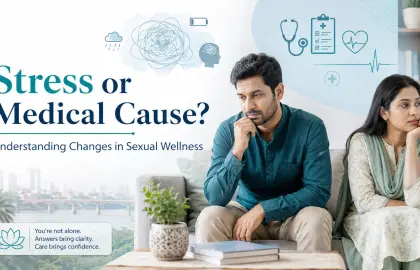
Changes in sexual wellness are not always caused by stress alone. Poor sleep, anxiety, medication, hormones,...

Low desire can feel confusing when depression, emotional strain, stress, poor sleep, medication, or relationship pressure...

Performance anxiety in women is often misunderstood, especially in cultures where female sexual well-being is rarely...

Genophobia in women is a deep fear of sexual intimacy that often affects emotional wellbeing, relationships,...

This BeshiKhushi Learn article explains why intimacy anxiety can happen, what signs to notice, and how...
In this section, psychological does not mean that a concern is imaginary, exaggerated, or “just in the mind.” It means that emotional and mental factors may influence sexual health in meaningful ways. Stress can affect desire. Anxiety can affect comfort and confidence. Emotional strain can affect closeness. Relationship pressure can shape how intimacy is experienced, even when the concern first appears to be physical.
Psychological factors are often misunderstood because they are less visible than physical symptoms. But that does not make them less important.
This section approaches the topic with that balance in mind. It recognises that emotional wellbeing, mental pressure, relationship dynamics, and physical health are often closely linked rather than separate.
Below are the main psychological and emotional topic areas covered in this section. They are organised to make browsing easier, especially for readers who may recognise a feeling, pattern, or concern but do not yet know the exact language for it.
In practical terms, the related articles under this page may explore areas such as:
Each linked page explores one topic in more detail and helps place it in a broader educational context.
This section is designed to help readers understand the broader topic before moving into a more specific page. Depending on the article they choose next, readers may find clearer educational guidance on:
The goal is not to label every experience too quickly. The goal is to create a clearer and more respectful framework for understanding what may be happening.
People often look first for a physical explanation when something changes in sexual health, and that is understandable. But emotional and psychological strain can also have real effects. Long-term stress may reduce closeness and desire. Anxiety may affect comfort, confidence, or sexual response. Emotional distance or unresolved tension may shape intimacy even when neither partner fully realises it at first.
That does not mean every concern is psychological. It means psychological factors deserve to be understood as part of the full picture.
This section exists to support that wider understanding and to reduce unnecessary shame, confusion, or self-blame.
Psychological wellbeing and physical wellbeing are not separate worlds. Emotional stress may affect physical response. A physical health concern may increase anxiety or pressure. Hormonal changes, fatigue, chronic stress, relationship strain, and emotional distress may all influence each other.
Understanding that connection helps create a more realistic view of sexual wellbeing. It also helps readers avoid overly simple explanations, especially when a concern seems to sit across more than one area at once.
That is one reason this section also connects naturally with other parts of the Health Conditions area.
Psychological influences often overlap with other focus areas within Health Conditions, including:
That overlap is important. It reflects how real people experience these concerns, and it helps readers move through the site in a way that feels more useful and less rigid.
Educational information can help readers understand a topic more clearly, but there are times when professional support becomes important.
That may include situations involving persistent anxiety or distress, ongoing sexual difficulties affecting wellbeing, emotional discomfort that feels hard to manage, or relationship strain that continues to build over time. In some cases, support from a qualified healthcare professional may be appropriate. In others, support from a mental health professional or counsellor may be more relevant.
The purpose of this section is not to replace that support. It is to help readers approach the subject with more clarity and less confusion.
This section is built on a few simple principles:
Psychological influences on sexual health should be discussed carefully. They should not be reduced to shame, blame, or shallow advice.
If you are here because stress, anxiety, fear, emotional pressure, or relationship tension may be affecting sexual wellbeing, the best next step is to choose the article that feels closest to the concern you are trying to understand. Some readers may begin with stress and pressure. Others may start with confidence, fear, relationship strain, or the connection between emotional and physical health.
There is no single correct entry point.
What matters is that the path feels clear, respectful, and useful. This section is here to help make that next step easier.
This content is provided for educational purposes only and should not be considered medical advice. Always consult qualified healthcare or mental health professionals for diagnosis or treatment of any medical condition.