Women’s sexual, intimate, and hormone-related health concerns are not always easy to describe. Sometimes the change feels physical, such as dryness, discomfort, or pain. Sometimes it feels more emotional, such as anxiety, low desire, or a loss of confidence. In many cases, it is not just one thing. Hormones, stress, sleep, life stage, body image, relationship dynamics, and daily pressure can all shape how a woman experiences her health and wellbeing.
That is why this section matters.
Below are the main women-focused health condition topics included in this section. They are organised to make browsing easier, especially for readers who may recognise a symptom or experience but do not yet know the exact term for it.
Showing 1 to 12 of 15 results
Low libido in women can appear due to stress, hormonal shifts, emotional strain, relationship concerns, or medication effects. This guide outlines the major symptoms, causes, diagnosis, and treatment options, offering...
Low testosterone in women can affect energy, mood, sexual wellbeing, and overall hormonal balance. This guide explains the symptoms, causes, and diagnostic steps clearly, along with safe treatment options. Tailored...
Female hormonal imbalance can affect mood, weight, skin, fertility, sleep, and overall wellbeing. This expert-guided overview explains the key symptoms, common causes, risk factors, diagnosis, and treatment options designed especially...
A change in sexual desire is common as women move through menopause. Hormonal shifts, dryness, mood changes and poor sleep often overlap. With the right support such as lubricants, counseling,...

Many women feel natural shifts in desire during ovulation as hormones rise and the body becomes more responsive. This guide explains how mid-cycle changes influence libido, what signs typically appear,...
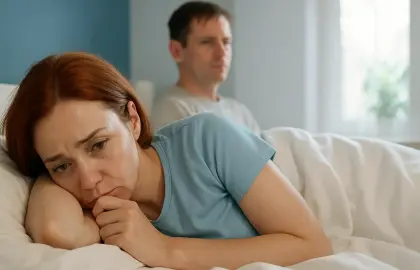
Performance anxiety in women is often misunderstood, especially in cultures where female sexual well-being is rarely discussed. This guide explains why it happens, how it affects the body and emotions,...
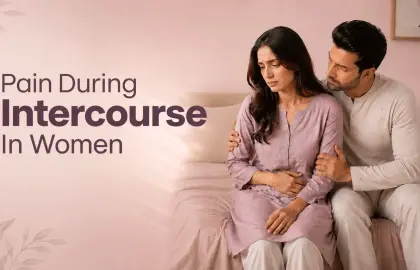
Painful sex, or dyspareunia, affects many women but is often ignored in Bangladesh due to stigma. This guide explains the real causes behind vaginal or deep pelvic pain, key symptoms,...
Premature aging in women can appear through early wrinkles, sunspots, fatigue, and thinning skin. This guide explains the real causes, early warning signs, medical diagnosis, and the most effective treatments....
Progesterone imbalance can trigger irregular periods, mood shifts, sleep issues, and fertility challenges. This guide explains why progesterone drops, how to identify symptoms early, and which treatments doctors recommend. Designed...
Estrogen deficiency can quietly affect a woman’s daily life, leading to irregular periods, hot flashes, vaginal dryness, mood changes, and early bone loss. This guide explains why estrogen drops, how...
Collagen naturally declines with age, and for many women the change becomes clearer after 40 and during menopause. Skin may feel drier, hair may thin and joints may stiffen. This...

Hypoactive Sexual Desire Disorder (HSDD) is a long-lasting decline in sexual desire that affects confidence, relationships and emotional wellbeing. This guide explains symptoms, causes, diagnosis and safe treatment options for...
Each linked page explores one topic in more detail and helps place it in a broader educational context.
This section brings together educational topics related to women’s sexual and intimate health. It includes concerns linked to hormones, physical comfort, emotional wellbeing, lifestyle patterns, and relationship context.
Each topic leads to a dedicated condition page where the issue is explained more clearly and in greater depth.
Many users do not arrive here with a medical label in mind. They come with a feeling, a symptom, a pattern, or a concern that has started to affect daily life, confidence, or relationships. So, the best way to browse this section is not alphabetically and not by technical terms first.
It is better to start with the kind of concern that feels closest to your experience.
For that reason, the related topics under this page are best explored in a practical order: first the most common and immediately relatable concerns, then emotional and sexual-response concerns, then hormone-related topics, and finally body and aging-related changes.
One of the biggest mistakes people make is assuming every concern has one simple cause. Real life is rarely that neat.
A woman may notice low libido, but the deeper picture may also involve poor sleep, relationship tension, hormonal change, stress, body-image concerns, or physical discomfort. Vaginal dryness may relate to estrogen changes, but the emotional impact may also affect confidence and intimacy. Menopause may shift several parts of wellbeing at the same time. A cycle-related change may feel temporary but still raise real questions.
That is why this section is organised as an educational cluster, not as a narrow one-topic page. It reflects the fact that women’s health experiences often involve overlapping physical, hormonal, emotional, lifestyle, and relational influences.
Women’s sexual and intimate wellbeing can change across different stages of life. For some, concerns begin during the reproductive years. For others, they become more noticeable during postpartum recovery, perimenopause, menopause, or later adulthood.
Life stage can shape the experience, but it should not be used as a lazy explanation for everything.
Two women at the same age may have very different experiences. Some changes are mainly hormonal. Others are linked more strongly to stress, sleep, emotional load, physical health, or relationship circumstances. This section keeps that balance in mind and avoids reducing women’s health concerns to age alone.
Women’s health concerns do not exist in isolation. Some topics covered here also connect naturally to broader focus areas within Health Conditions, such as:
That overlap is intentional. It reflects how real users think and search, and it helps readers move between related areas without feeling that their experience has to fit into one rigid box.
Educational content can help people understand a topic more clearly, but it should not replace proper medical care.
It is important to consult a qualified healthcare professional if symptoms are persistent, worsening, painful, sudden, unexplained, or affecting emotional wellbeing, daily life, or relationships. That is especially important in cases of ongoing pain during intimacy, significant hormonal concerns, or distress that does not improve over time.
Beshi Khushi does not diagnose medical conditions and does not provide treatment recommendations as a substitute for professional care. The role of this section is to support better understanding and safer, more informed reading.
This section is built on a few simple principles:
Sensitive women’s health topics deserve seriousness, calmness, and clarity. They should not be reduced to shame, exaggerated claims, or shallow advice.
If you already have a specific concern in mind, the best next step is to choose the article that feels closest to what you are noticing or trying to understand. Some readers will want to begin with an immediate symptom, such as low libido, dryness, or discomfort. Others may want to start with a hormone-related topic or a menopause-related change. Some may be looking for explanation around confidence, fear, or body-related shifts.
There is no single correct starting point.
What matters is that the path feels clear. This section is here to make that first step easier, more respectful, and more useful.
This content is provided for educational purposes only and should not be considered medical advice. Always consult a qualified healthcare professional for diagnosis or treatment of any medical condition.