What Happens When Estrogen Is Low? Symptoms, Causes, and Treatment Options for Women
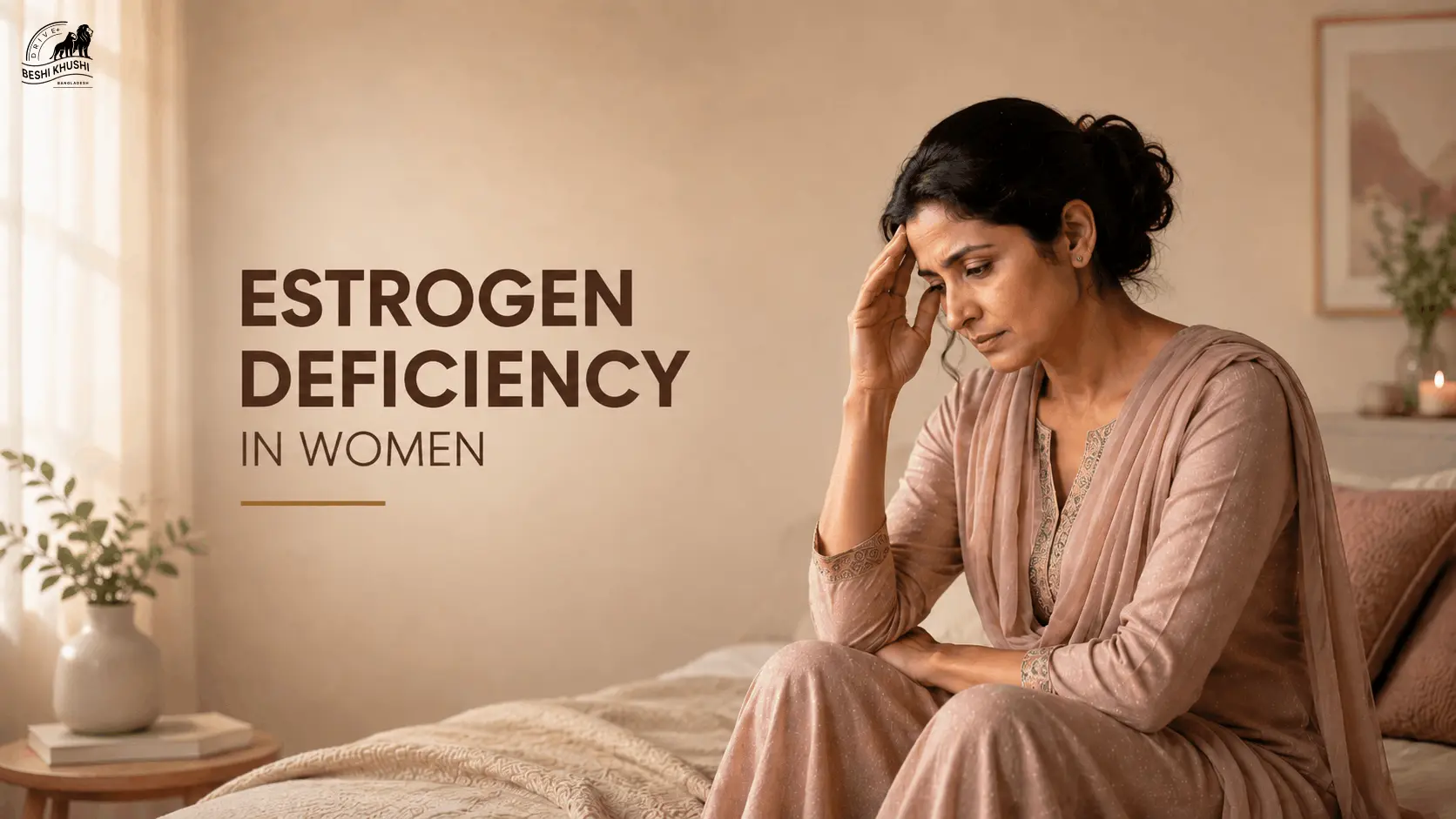
Estrogen quietly supports many aspects of a woman’s health — bone strength, mood stability, skin elasticity, sexual comfort, and the menstrual cycle. When its levels fall, the effects are often subtle at first, then gradually more noticeable. Hot flashes, disturbed sleep, dryness, mood changes, and early bone loss are all signs that the body’s natural balance is shifting.
This condition, called estrogen deficiency, affects women of all ages — not only those in menopause. Understanding why estrogen drops and how the body responds is essential for protecting long-term health.
What Is Estrogen?
Estrogen refers to a group of hormones produced mainly by the ovaries. They regulate the menstrual cycle, support fertility, preserve bone density, influence cholesterol levels, stabilize mood, and help keep skin and vaginal tissues healthy. Because estrogen works across so many systems, even modest changes can create widespread symptoms.
What Is Estrogen Deficiency?
Estrogen deficiency occurs when the body does not produce enough estrogen for normal function. This may happen naturally during perimenopause or menopause, but it can also appear earlier due to medical conditions, ovarian problems, surgery, stress, or lifestyle-related hormonal disruption.
Low estrogen is more than a reproductive issue — it influences bone health, cardiovascular stability, emotional wellbeing, and intimate comfort.
Symptoms of Estrogen Deficiency
Symptoms vary from person to person, but the most common include:
Menstrual Changes
Irregular cycles, unusually light or heavy bleeding, or periods stopping for months.
Hot Flashes & Night Sweats
Sudden waves of heat, sweating, and flushed skin that often disrupt sleep and daily routines.
Vaginal & Sexual Symptoms
Dryness, irritation, recurring infections, discomfort during intercourse, or reduced libido.
Bone & Joint Changes
Accelerated loss of bone density, increased fracture risk, and generalized stiffness.
Skin, Hair & Body Changes
Dry skin, thinning hair, fatigue, and in some cases increased abdominal fat.
Mood & Cognitive Shifts
Anxiety, irritability, low mood, sleep difficulty, or episodes of “brain fog.”
Causes of Estrogen Deficiency
Several factors may lower estrogen levels:
Natural Transitions
Fluctuations during perimenopause and the steady decline after menopause.
Primary Ovarian Insufficiency
Early or premature menopause due to autoimmune, genetic, or unknown causes.
Surgical or Treatment-Related
Ovary removal, chemotherapy, radiotherapy, and certain cancer treatments.
Hypothalamic Causes
Stress, restrictive diets, low body weight, or intense exercise suppressing hormone signals.
Medical & Lifestyle Factors
Chronic illness, medication side effects, rapid weight loss, and smoking.
Risk Factors
You may have a higher chance of estrogen deficiency if you have:
- Family history of early menopause
- Gynecological surgery
- Prior chemotherapy or pelvic radiation
- Very low BMI
- High-intensity athletic training
- Autoimmune or genetic conditions affecting ovarian function
- Smoking habits
- Age above 45
How Estrogen Deficiency Is Diagnosed
Diagnosis includes a combination of history, examination, and targeted tests:
Clinical Evaluation
Menstrual pattern, physical symptoms, stress levels, lifestyle, and medical history.
Physical Examination
Assessment of skin, vaginal tissue, and signs of hormonal change.
Hormonal Blood Tests
Estradiol, FSH, LH, and additional tests if needed.
Imaging
Ultrasound to evaluate ovaries and DEXA scans to assess bone density when indicated.
A structured assessment helps determine if symptoms are due to natural menopause, early ovarian decline, hypothalamic changes, or another hormonal condition.
Treatment Options
Treatment depends on age, underlying cause, and symptom severity.
Hormone Therapy (HRT)
Estrogen alone (for women without a uterus) or estrogen-progesterone combinations (for women with a uterus). Available as patches, gels, sprays, or tablets. Effective for hot flashes, dryness, mood changes, and bone protection.
Local Vaginal Estrogen
Low-dose creams, tablets, or rings that relieve dryness and discomfort with minimal systemic absorption.
Non-Hormonal Options
Suitable for women who cannot take hormones. Includes non-hormonal medications for hot flashes, vaginal moisturizers, and bone-strengthening treatments.
Lifestyle Support
Adequate diet, regular exercise, calcium and vitamin D, sleep hygiene, reducing alcohol, and quitting smoking.
Nutritional Considerations
Phytoestrogen-containing foods like soy or flaxseed may offer mild support but cannot replace medical treatment when deficiency is significant.
Prevention & Long-Term Care
While natural menopause cannot be prevented, its impact can be reduced by maintaining a healthy weight, avoiding extreme dieting, exercising regularly, protecting bone health, staying smoke-free, and seeking timely medical advice when menstrual or hormonal patterns change.
When to Consult a doctor
Seek medical advice if you experience:
- Irregular or absent periods before age 45
- Persistent hot flashes or night sweats
- Vaginal dryness or pain during sex
- Recurrent urinary or vaginal infections
- Sudden mood or sleep changes
- Suspected bone loss or unexplained fractures
- Symptoms after surgery or cancer treatment
Early evaluation helps prevent complications such as osteoporosis and severe hormonal imbalance.
Medical Disclaimer
This article provides general health information only. It should not replace personal medical advice, diagnosis, or treatment. If you suspect estrogen deficiency or have related symptoms, consult a qualified healthcare professional before starting or adjusting any therapy.