What Causes Low Libido in Women? Signs, Hormones, and When to Seek Help
Low libido in women; a reduced interest in sex is far more common than most people realise. Research shows 40–70% of women experience it at some point. Stress, hormonal shifts, emotional pressure, relationship challenges, and cultural beliefs all influence desire.
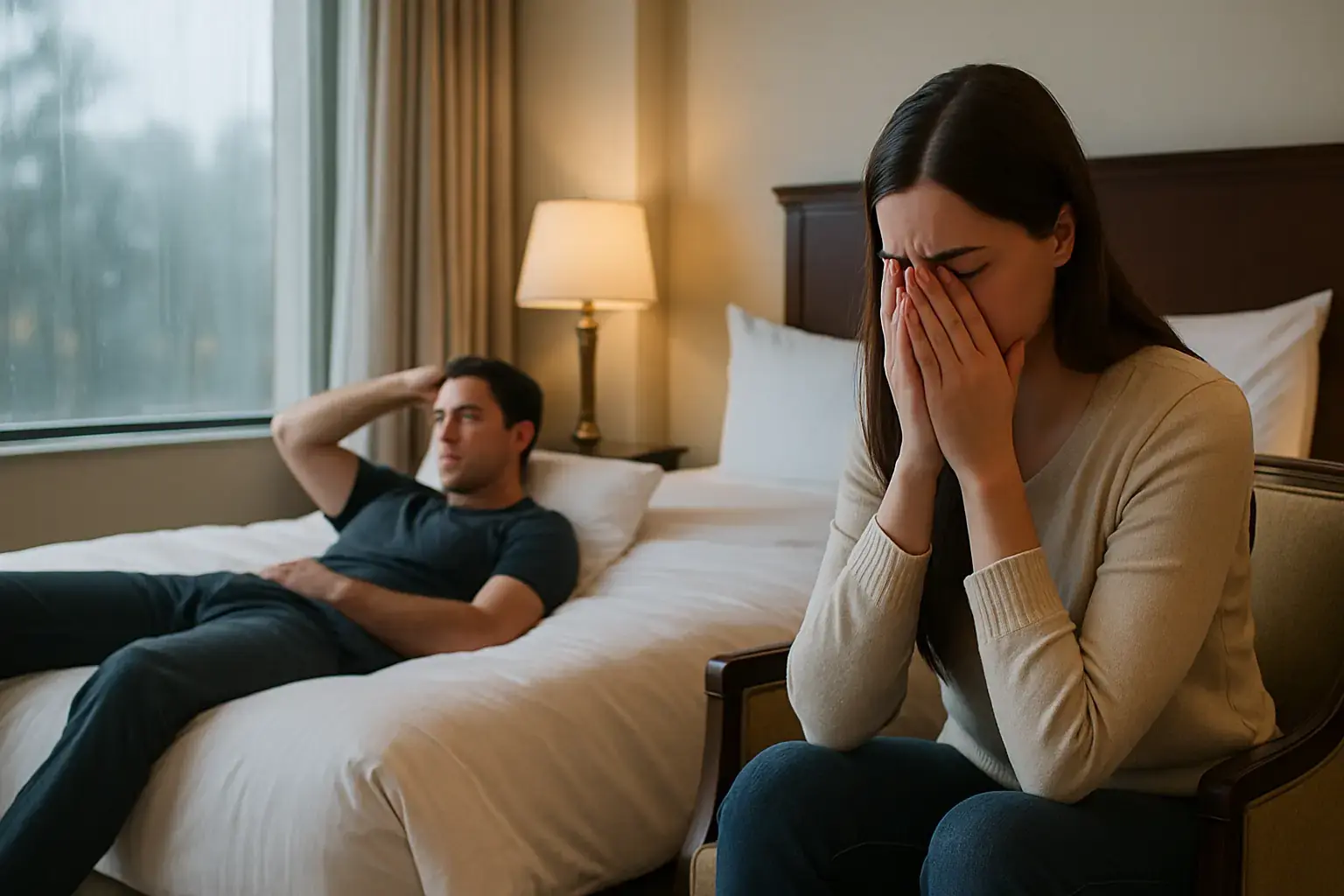
In Bangladesh and similar societies, many women deal with this silently, often feeling confused or ashamed. Some worry something is “wrong” with them or that their relationship is at risk. In most cases, low libido is simply your body signalling that something — physical, emotional, or both — needs attention.
What Is Low Libido in Women?
“Libido” refers to sexual desire or interest in sexual activity. Low libido means that desire has noticeably decreased compared to what feels normal for you.
Some women may also fit the definition of Hypoactive Sexual Desire Disorder (HSDD)—a persistent lack of interest in sex that causes personal distress or relationship concerns.
There is no universal “normal” sex drive. What matters is whether the change feels troubling or disruptive to your life.
Symptoms of Low Libido in Women
Women experiencing low libido may notice:
- Less interest in sex with a partner
- Few or no sexual thoughts or fantasies
- Difficulty becoming aroused or reaching orgasm
- Vaginal dryness during sex
- Stress or sadness about the lack of desire
If these symptoms continue for a long time and start affecting confidence, mood, or relationships, it may be worth looking into underlying causes.
Causes of Low Libido in Women
Low libido often stems from a mix of physical, psychological, and lifestyle factors.
Physical causes
- Hormonal changes from pregnancy, breastfeeding, birth control, perimenopause, or menopause
- Medical conditions such as thyroid issues, PCOS, chronic illness, or persistent fatigue
- Medication side effects, especially antidepressants (SSRIs) and certain heart or blood pressure medicines
- Vaginal dryness or pain, making sex uncomfortable or difficult
Psychological causes
- Ongoing stress from work, family, or finances
- Anxiety, depression, or low mood
- Past negative or traumatic experiences
- Low body confidence
- Tension or unresolved issues in the relationship
Lifestyle factors
- Poor sleep and long-term exhaustion
- Smoking or heavy alcohol use
- Lack of physical activity
- Too many responsibilities and little time for connection
These factors can feel even heavier for women in Bangladesh due to cultural expectations and limited discussion around sexual health.
Risk Factors for Low Libido in Women (Bangladesh Context)
Certain influences make low libido more likely or harder to address:
- High stress from managing home, work, and caregiving
- Cultural stigma around female desire
- Limited awareness of hormonal or medication-related effects
- Relationship pressure or fear of disappointing a partner
- Long-term use of antidepressants or blood pressure medicines
- Perimenopause or menopause without proper guidance
These factors may not directly cause low libido but can increase vulnerability and delay seeking help.
Diagnosis of Low Libido and HSDD
There is no single test that confirms low libido. Diagnosis is based on your experience and how long the problem has been present.
A healthcare provider may consider:
- How long desire has been reduced
- Whether it’s causing distress or relationship strain
- Any dryness, pain, or difficulty with arousal
- Stress levels, sleep quality, and mental health
- Medications that may affect libido
- Hormonal changes related to reproductive stages
If low desire persists for months and cannot be explained by temporary stress or relationship issues, HSDD may be discussed and hormone testing may be suggested.
Treatment for Low Libido in Women
Treatment depends on whether the cause is hormonal, emotional, lifestyle-related, or a mix of all three.
Medical approaches
- Adjusting hormonal contraception
- Using estrogen creams when dryness or low estrogen is an issue
- Managing vaginal dryness with lubricants or moisturisers
In some cases, testosterone therapy may be considered with medical supervision, mainly for postmenopausal women.
Medications for HSDD
- Flibanserin (Addyi®) – FDA-approved oral medication
- Vyleesi® – injectable option for premenopausal women
Both require careful assessment due to specific usage guidelines.
Supplements and natural options
- Maca root, ashwagandha
- Zinc and vitamin D
- DHEA (with caution due to side effects)
- Ginkgo biloba
These should only be used under medical guidance.
Therapy and relationship support
- CBT and mindfulness to reduce stress and improve sexual comfort
- Couples or sex therapy to improve communication and intimacy
Lifestyle changes
- Lowering chronic stress
- Improving sleep
- Exercising regularly
- Cutting down on smoking and alcohol
- Making time for emotional closeness and non-sexual intimacy
These changes strengthen the foundation for a healthier sex drive.
Prevention of Low Libido in Women
Low libido can’t always be prevented because life and hormones naturally change, but certain habits help protect sexual wellbeing:
- Managing stress early
- Prioritising sleep and rest
- Staying active and maintaining a balanced lifestyle
- Communicating openly with a partner
- Reviewing medications if desire changes
- Seeking help early rather than waiting in silence
These steps benefit both sexual health and overall wellbeing.