
How Daily Stress Affects Personal Wellbeing and Energy
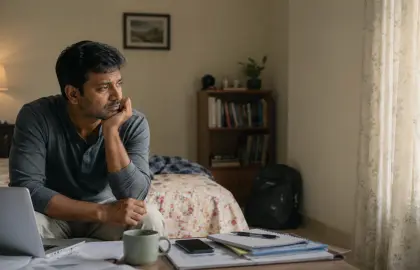
Daily stress affects personal wellbeing and energy by quietly using up mental focus, emotional patience, physical capacity, and motivation. A person may still complete daily tasks, but feel drained, irritated, unfocused, or low inside. This does not always mean weakness or laziness. Often, it means daily demands are using more capacity than the body and mind can comfortably restore.
When Stress Quietly Uses Up Your Daily Capacity
Many people think stress only matters when life feels out of control.
But daily stress can be quieter than that.
It may come from waking up already worried, rushing through work, managing family expectations, thinking about money, replying to messages, handling traffic, and trying to sleep with an overloaded mind.
Nothing may look dramatic from outside.
You may still go to work. You may still study. You may still take care of family. You may still answer everyone.
But inside, your capacity slowly gets used.
That is why stress can affect energy before a person even notices. The day does not need to be terrible. It only needs to be constantly demanding.
In Bangladesh, many adults are expected to keep moving. Work, family duty, social obligations, and household responsibilities often sit on the same person’s shoulders. Rest may feel like something to earn, not something the body needs.
Over time, that mindset can make tiredness feel normal.
Stress Is Not Only a Feeling
Stress is often treated like an emotion. But it can affect the whole day.
It can change how you think, react, rest, eat, sleep, and recover. It may make small problems feel bigger. It may make simple tasks feel heavier. It may make you less patient with people you care about.
A person under daily strain may feel:
- mentally foggy
- physically low
- emotionally short-tempered
- less motivated
- less interested in social plans
- more dependent on tea, coffee, scrolling, or distractions
- unable to relax properly even during free time
This does not mean stress is the only possible cause. Low energy can also be connected with sleep problems, health concerns, nutrition, mental health, workload, or other factors.
But daily stress is often one part of the picture.
The problem is that many people ignore it because they are still “functioning.”
Functioning is not the same as feeling well.
Why Daily Pressure Can Affect Mood and Patience
Stress often shows up in mood before people connect it with energy.
A person may become irritated easily. They may speak sharply. They may avoid conversations. They may feel emotionally full, even when nothing major happened that day.
This can create guilt.
Someone may think, “Why am I reacting like this?”
But if the mind has been carrying too much for too long, patience becomes harder.
Daily pressure can reduce emotional space. When that space is low, even small requests can feel like extra weight.
In a Bangladeshi household, this can happen easily. Someone may handle work outside, then come home to family needs, household decisions, guests, social expectations, or relatives’ comments. There may be no clear pause between one responsibility and another.
That kind of routine can slowly reduce emotional bandwidth.
You may still care about people.
But you may not have enough inner space to respond with the calmness you want.
The Common Mistake: Treating Stress as Laziness
One common mistake is calling stress-related low energy laziness.
That is unfair and often unhelpful.
A lazy person avoids effort without much concern. A stressed person may want to do things but feel mentally or physically drained before starting.
There is a difference.
| What it may look like | What may be happening underneath |
|---|---|
| Avoiding small tasks | Mental overload or decision fatigue |
| Feeling sleepy during the day | Poor rest, stress load, or sleep disruption |
| Getting irritated easily | Low emotional capacity |
| Losing motivation | Too many demands with too little recovery |
| Wanting to be alone | Need for quiet and mental rest |
| Struggling to focus | Worry, screen overload, or constant interruption |
This table is not a diagnosis. It is a way to notice patterns.
If low energy continues for a long time, feels severe, or affects daily functioning, it may be worth speaking with a qualified professional.
But before blaming yourself, look honestly at what your day is asking from you.
Sometimes the problem is not lack of discipline.
Sometimes the load is simply too high.
How Stress Affects Everyday Wellbeing
Personal wellbeing is not only about being free from illness. It is also about how you feel while living your daily life.
Daily stress can affect that in several ways.
It can make mornings feel heavy. It can reduce interest in things you usually enjoy. It can make food choices less steady. It can make sleep less refreshing. It can make you feel disconnected from your own needs.
A person may start living in “survival mode.”
They wake up, manage tasks, respond to others, finish the day, and repeat the same cycle.
There may be very little time to ask:
“What do I actually need?”
“Am I resting properly?”
“Is my routine sustainable?”
“What is draining me the most?”
In Bangladesh, many people do not ask these questions because life feels too busy. There is also a strong culture of pushing through. People may praise sacrifice, patience, and responsibility, but rarely talk about recovery.
Responsibility matters.
But recovery matters too.
Without recovery, even strong people can become worn down.
A Simple Stress-Load Check
You do not need a complicated system to understand your stress load.
Start by looking at your day honestly.
Ask yourself:
- What part of my day drains me most?
- Do I wake up already tired?
- Am I sleeping enough, or only lying in bed?
- Do I get any quiet time without screens?
- Am I eating and drinking properly during busy days?
- Do I say yes to too many things?
- Do I feel guilty when I rest?
- Am I carrying responsibilities that I never talk about?
- Is my tiredness temporary, or has it become my normal state?
These questions are not for blaming yourself.
They are for noticing where your capacity is going.
A person may discover that the biggest drain is not one major problem. It may be many small demands stacked together.
That is why small changes can also matter.
Small Lifestyle Changes That May Help
Managing daily stress does not mean creating a perfect routine.
Most people do not have that luxury.
The goal is to make your routine more supportive, realistic, and recoverable.
Start with one or two small changes.
You may protect a fixed sleep window when possible. You may reduce late-night screen time. You may take short walking breaks. You may drink enough water during work. You may avoid saying yes to every social request. You may keep ten quiet minutes after returning home before handling more tasks.
You may also need to name your limits.
For example:
“I need some time to rest before discussing this.”
“I cannot take on another responsibility this week.”
“I am feeling overloaded and need to slow down.”
“I want to help, but I need to manage my energy.”
These sentences are not excuses. They are signs of self-awareness.
In many families, people may not understand limits immediately. But that does not mean limits are wrong.
A sustainable life requires some protection around your energy.
When Rest Does Not Feel Like Rest
Sometimes people rest physically but stay mentally active.
They lie down but keep scrolling. They stop working but keep worrying. They sit quietly but replay conversations in their mind.
This is why rest quality matters.
Real rest usually needs some mental space. It may come from silence, prayer, light movement, deep breathing, journaling, less screen exposure, or simply sitting without taking in more information.
Different people recover in different ways.
The important point is to notice what actually restores you.
For some, rest means sleep. For others, it means being alone for a while. For someone else, it may mean a calm walk, less noise, or time away from constant messages.
Do not copy someone else’s routine blindly.
Build a rhythm your real life can support.
The Healthiest Routine Is One You Can Actually Maintain
Daily stress affects energy because it takes more from you than you may realize.
That does not mean you need to change your whole life overnight. Most people cannot.
But you can start noticing the difference between responsibility and overload.
You can stop calling every tired day laziness. You can stop treating rest as a reward only after exhaustion. You can begin asking what your mind and body need before they force you to stop.
Energy is not only about doing more.
Sometimes it is about protecting enough of yourself to live better.
A healthy routine does not prove how much you can tolerate. It helps you carry life without losing yourself in the process.
Key Takeaways
- Daily stress can reduce mental focus, emotional patience, physical capacity, and motivation.
- Low energy is not always laziness; it may reflect overload, poor recovery, or ongoing strain.
- Bangladesh-specific work, family, financial, and social pressures can make stress feel normal.
- Rest quality matters, not only rest time.
- Small lifestyle changes can support daily wellbeing when they are realistic and consistent.
- Persistent tiredness, sleep problems, low mood, or physical symptoms may need professional attention.
When to Seek Professional Help
Consider professional support if tiredness, stress, sleep problems, anxiety, low mood, irritability, physical symptoms, or difficulty managing daily life continues for a long time.
Support may also help if rest does not improve your energy, daily responsibilities feel unmanageable, or your wellbeing is affecting work, study, relationships, or personal care.
Seeking help does not mean you are weak. It means your health and daily functioning deserve proper attention.
Safety Note
This article is for general education only and is not a substitute for medical, psychological, or relationship counselling. If you are experiencing ongoing distress, pain, pressure, fear, abuse, trauma, serious relationship conflict, persistent tiredness, sleep problems, or health concerns, consider speaking with a qualified professional or trusted support person.