What Causes Vaginal Dryness? Symptoms, Hormonal Causes, and Treatment Options
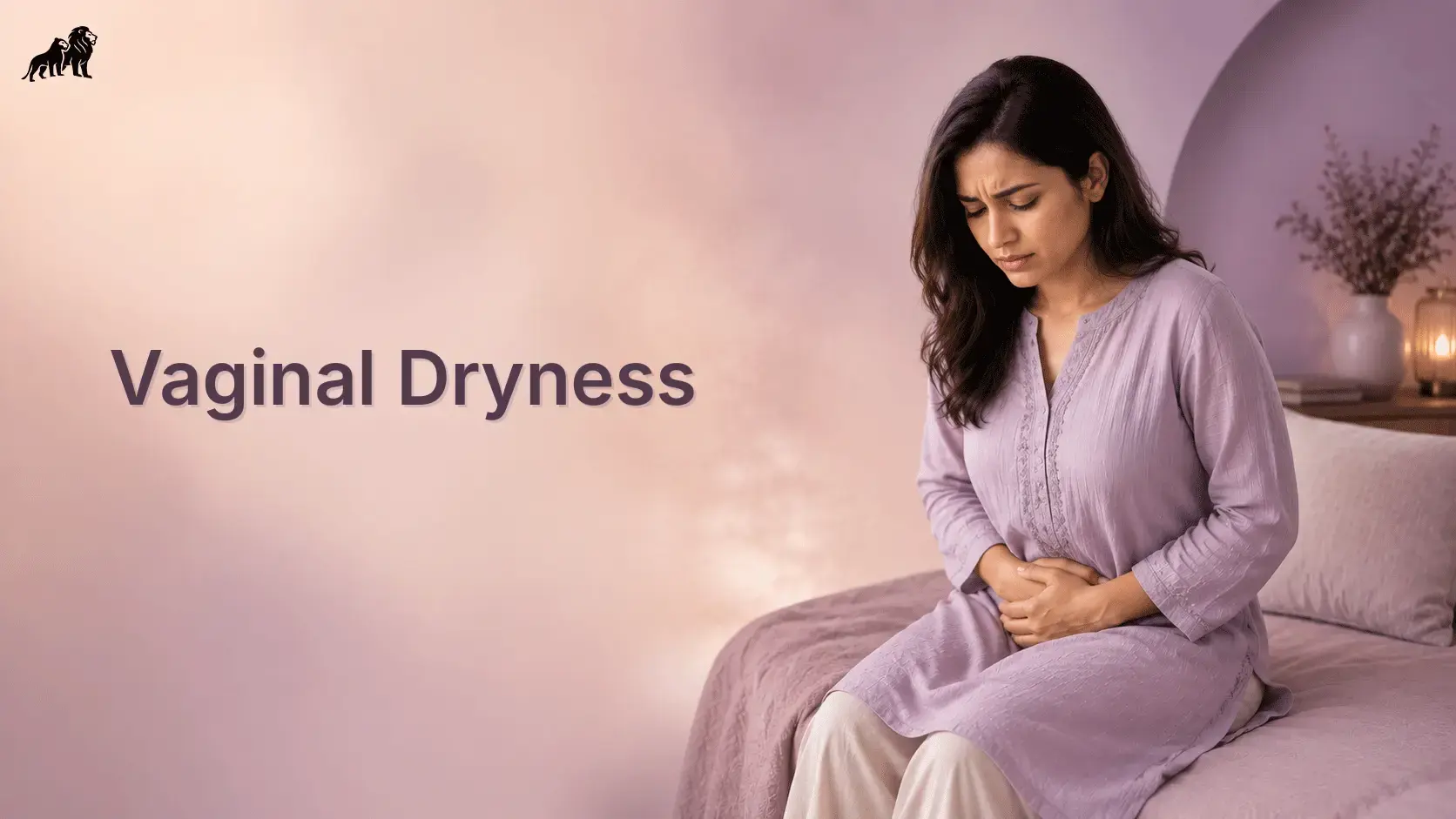
Vaginal dryness is extremely common, yet many women stay silent about it. The discomfort can show up as burning, itching, pain during sex, or even soreness during daily movement. Most cases are linked to changing estrogen levels — especially during menopause, after childbirth, or while breastfeeding.
The positive news: vaginal dryness is highly treatable, and early attention can make a big difference in comfort and quality of life.
What Is Vaginal Dryness?
Vaginal dryness occurs when the vaginal lining becomes thin, less elastic, and not well-lubricated. Estrogen normally keeps this tissue soft and moist. When levels fall, or the area becomes irritated, the vagina can feel tight, dry, and painful — especially during intercourse.
This is a key feature of Genitourinary Syndrome of Menopause (GSM), though dryness can appear at any age.
Symptoms
Women often notice:
- Persistent dryness or roughness
- Burning, itching, or stinging
- Pain during sex or light bleeding after sex
- Soreness with sitting, walking, or exercise
- Discomfort while urinating
- Frequent UTIs or yeast infections
- Lower sexual desire due to pain
If symptoms include fever, heavy bleeding, foul odor, or severe pelvic pain, medical attention is urgent.
Causes
Hormonal Causes
Low estrogen is the most common reason. It naturally decreases:
- During perimenopause and menopause
- After delivery
- Through breastfeeding
- After ovary removal
- During cancer treatments
Low estrogen makes the vaginal lining fragile and dry.
Medications & Health Conditions
Dryness can also come from:
- Hormonal contraceptives (in some women)
- Anti-estrogen medicines
- Antidepressants
- Antihistamines
- Diabetes
- Autoimmune conditions like Sjögren’s
Stress and poor sleep can worsen symptoms.
Sexual Factors
Dryness may appear when:
- Arousal is low
- Foreplay is rushed
- There’s stress or relationship tension
Lubrication is tightly linked to emotional and physical readiness.
Irritants & Daily Habits
Common irritants include:
- Scented soaps and “feminine washes”
- Strong detergents
- Douching
- Tight synthetic underwear
- Smoking
Removing irritants often brings quick relief.
Risk Factors
You may be more likely to experience dryness if you:
- Are 40+ or nearing menopause
- Are breastfeeding
- Have diabetes or thyroid issues
- Take anti-estrogen medicines
- Smoke
- Use harsh products on the genital area
- Have undergone cancer treatment
- Deal with chronic stress
Cultural discomfort discussing sexual symptoms (very common in Bangladesh) also delays diagnosis.
Diagnosis
Doctors usually combine:
- History — symptoms, menstrual stage, medications, sexual pain
- Pelvic examination — looking for thinning, redness, small cracks
- Tests (if needed) — swab, urine test, or hormone panel
Diagnosis helps rule out infections, skin disorders, or other conditions with similar symptoms.
Treatment
A combination of approaches works best.
Gentle Care & Lifestyle Changes
- Avoid scented washes and douching
- Use mild, fragrance-free cleansers externally
- Wear breathable cotton underwear
- Stay hydrated
- Don’t force intercourse when it’s painful
Moisturizers & Lubricants
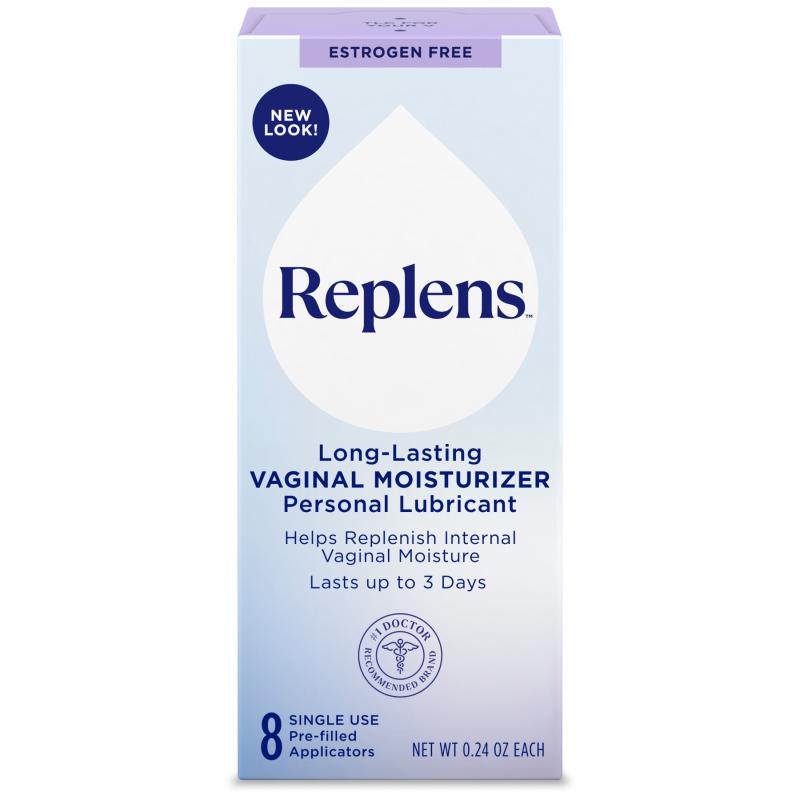
- Moisturizers (every 2–3 days) improve daily comfort
- Lubricants (before sex) reduce friction and pain
- Water-based is safest; silicone lasts longer; oils only for external use
Medical Treatments
Highly effective for menopausal dryness:
- Vaginal estrogen (cream, tablet, capsule, or ring)
- Ospemifene — oral SERM for painful sex
- Prasterone (DHEA) — vaginal suppository
Women with breast cancer risk must discuss options with their gynecologist.
Treating Underlying Issues
Managing diabetes, thyroid problems, or medication side effects often improves dryness.
Advanced Procedures
Some clinics offer vaginal laser therapy. It may help, but long-term evidence is still growing. Choose only well-trained specialists.
Prevention
- Avoid irritants and scented products
- Maintain comfortable sexual activity to support blood flow
- Take time for arousal and foreplay
- Use lubricants early, not after pain starts
- Stay active, hydrated, and avoid smoking
- Prioritize sleep and stress control
- Have regular gynecological check-ups
When to See a doctor
Seek medical help if:
- Dryness or pain affects sex or daily life
- Symptoms persist despite moisturizers/lubricants
- You experience bleeding after sex
- You have urinary symptoms, fever, or unusual discharge
- You’re postmenopausal or have a cancer history
No woman should silently endure vaginal discomfort — help is available and effective.
Medical Notice
This information is for educational support only. Vaginal dryness can have different medical causes, and treatment — especially hormonal therapy — must be guided by a licensed doctor.
If you have a history of breast cancer, unexplained bleeding, or severe pain, seek medical consultation before starting any therapy.