
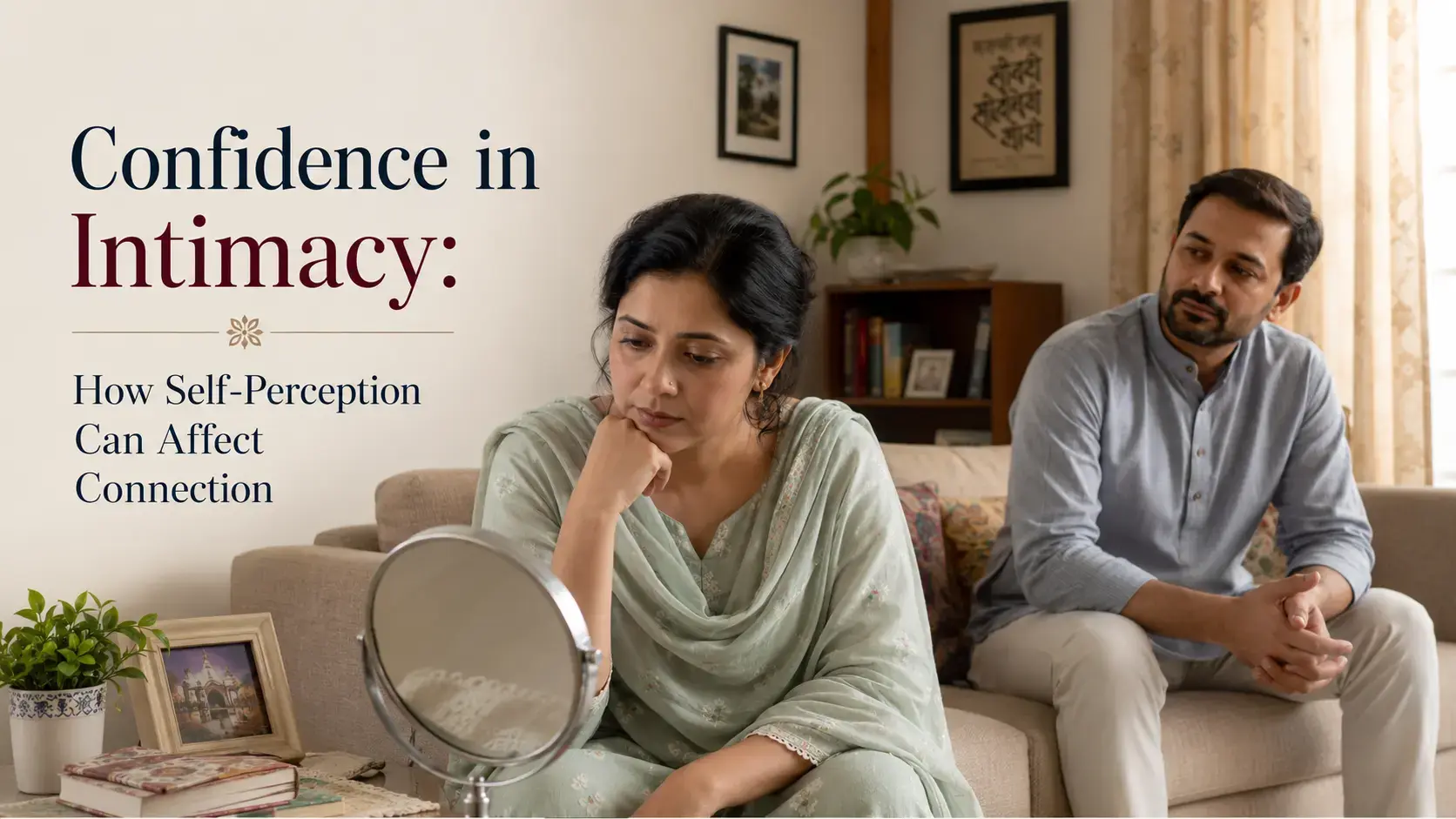
Confidence in Intimacy: How Self-Perception Can Affect Connection
The way you see yourself can quietly shape how comfortable you feel in a close relationship. If you often feel unsure, judged, compared, or “not enough,” it may become harder to relax, communicate, or feel emotionally present with your partner. This does not mean something is wrong with you. It means your self-perception is affecting how safe and accepted you feel.
For many Bangladeshi readers, confidence around personal and emotional topics can be difficult to talk about. Social judgment, privacy concerns, family expectations, and limited open conversation can make people hide their discomfort. A respectful discussion can help you understand these feelings without shame or pressure.
A Clear Way to Understand It
Confidence in a close relationship is not about being perfect, bold, or always certain. It is more about feeling emotionally safe enough to be honest, respected, and accepted as you are. When your self-perception is healthy, you may find it easier to communicate, set boundaries, and stay present.
When self-perception is affected by fear, comparison, stress, or past criticism, closeness may feel tense. You may overthink your words, appearance, reactions, or whether your partner truly accepts you. Understanding this connection can help you respond with more patience and less self-blame.
Confidence Is Not About Being Perfect
Many people misunderstand confidence. They think it means never feeling shy, never doubting yourself, and always knowing what to say. That is not realistic.
Real confidence can be quiet. It may look like being able to say, “I feel nervous,” or “I need more time,” or “I want us to talk about this calmly.” Confidence does not remove every uncomfortable feeling. It helps you respond to those feelings with honesty instead of panic or shame.
In relationships, emotional confidence often grows from respect. When someone feels heard, accepted, and not judged, they may slowly feel more comfortable. When someone feels compared, dismissed, or pressured, confidence can shrink.
How Self-Perception Can Affect Closeness
Self-perception means the way you think and feel about yourself. It includes your sense of worth, attractiveness, emotional value, communication ability, and whether you believe you deserve respect.
If your self-perception is harsh, closeness can become stressful. You may worry too much about how you are being seen. You may feel you have to perform emotionally. You may avoid conversations because you fear being misunderstood.
You May Overthink Small Moments
A simple pause, a facial expression, or a delayed reply can feel bigger than it is when self-doubt is high. You may start asking yourself, “Did I do something wrong?” or “Am I not enough?”
This kind of overthinking can make connection feel heavy. Instead of being present, your mind keeps checking for signs of rejection.
You May Avoid Honest Communication
When confidence is low, people often hide what they feel. They may say “I’m fine” even when they are not. They may agree to things too quickly because they do not want to disappoint someone.
Over time, this creates distance. The partner may not understand what is happening, and the person struggling may feel even more unseen.
You May Depend Too Much on Reassurance
Reassurance can be comforting, but if self-worth depends only on another person’s approval, the relationship can become emotionally tiring. A partner can support you, but they cannot become the only source of your confidence.
Healthy closeness works better when both people feel valued, respected, and able to speak honestly.
Family and Community Expectations Can Add Pressure
In Bangladesh, many people feel pressure to behave in a certain way in relationships or marriage. Some may feel they must always be patient, always adjust, or never express emotional discomfort.
These expectations can make people ignore their own needs. But emotional comfort matters. Respectful relationships need space for both people’s feelings, not only social performance.
Trust and Emotional Safety Make Confidence Easier
Confidence does not grow well in an unsafe environment. If someone is constantly criticized, mocked, compared, or pressured, it is natural for them to feel guarded.
Emotional safety means you can speak without fear of being humiliated or punished. It means your partner may not always agree, but they still listen with respect.
A Supportive Response Can Help
A caring partner might say:
“I understand this is difficult to talk about.”
“Thank you for telling me.”
“We can take our time.”
“I want us both to feel respected.”
These responses do not solve everything instantly, but they create space for honesty.
Criticism Can Make Insecurity Worse
Harsh comments about someone’s confidence, personality, body, emotions, or comfort level can leave a lasting impact. Even if said jokingly, repeated criticism may make a person withdraw.
Respectful communication does not mean avoiding every difficult topic. It means discussing sensitive things without attacking someone’s worth.
Practical Guidance
You do not need to force instant confidence. Start with small, honest steps.
Notice Your Inner Language
Pay attention to how you talk to yourself.
Do you often think, “I am not enough,” “I always ruin things,” or “My partner will judge me”? These thoughts can feel true when you are anxious, but they may not be fair.
Try replacing harsh self-talk with calmer language:
“I am feeling unsure right now.”
“I can take time to understand this.”
“My feelings deserve respect.”
This is not magic. It is a way to stop attacking yourself.
Talk About Feelings Before They Become Resentment
If you keep hiding discomfort, it may later come out as anger, distance, or sadness. A small conversation early is often easier than a big conflict later.
You can say:
“I have been feeling less confident lately, and I want to talk about it gently.”
Or:
“Sometimes I overthink how you see me. I know that may not be fair, but I want to be honest.”
Clear words help reduce guessing.
Avoid Relationship Comparison
Your relationship does not need to look like someone else’s. What works for another couple may not fit your pace, comfort level, or life situation.
Focus on respect, communication, trust, and emotional safety. Those matter more than outside appearance.
Build Comfort Slowly
Confidence grows through repeated safe experiences. One honest conversation, one respected boundary, or one kind response can help.
Do not rush yourself. If something feels sensitive, slow down and communicate.
Separate Feedback from Rejection
Sometimes a partner may express a concern, and it may feel like rejection. Try to pause before reacting.
Ask yourself: “Is this person attacking me, or are they trying to communicate a need?” If the conversation is respectful, it may be a chance to understand each other better.
Choose Supportive Learning
Reading about emotional wellbeing, communication, stress, and self-perception can help you name your feelings. You may also explore related BeshiKhushi Learn articles on stress, emotional pressure, and relationship comfort for more context.
Learning should help you feel clearer, not ashamed.
Common Misunderstandings
“Confidence means never feeling insecure.”
No. Everyone can feel insecure at times. Confidence means you can notice insecurity without letting it define your worth.
“If my partner loves me, I should always feel confident.”
A supportive partner can help, but confidence also depends on your own self-perception, past experiences, stress level, and emotional habits. Love helps, but it does not automatically remove every doubt.
“Talking about insecurity will make me look weak.”
Honest communication is not weakness. It can actually make a relationship more mature when both people respond with respect.
“Comparison will motivate me to improve.”
Sometimes comparison only creates pressure and dissatisfaction. Growth is healthier when it comes from self-respect, not self-criticism.
“Self-confidence is only a personal issue.”
Not always. Confidence can be affected by family comments, social expectations, partner behavior, past experiences, and cultural silence around emotional topics.
When to Seek Professional Support
Consider speaking with a qualified mental health professional, counsellor, doctor, or trusted support service if low confidence, anxiety, shame, or emotional distress continues for a long time or affects daily life.
Support may be especially important if you feel trapped in repeated self-criticism, panic, trauma, coercion, emotional pressure, abuse, or ongoing relationship conflict. If you feel unsafe expressing your feelings, do not ignore that signal.
Professional help is not about blaming you or your partner. It can offer a safer space to understand patterns that feel too heavy to manage alone.
Educational Safety Note
This article is for general education and emotional wellbeing awareness. It is not medical advice, therapy, diagnosis, or professional counselling.
Self-perception and relationship confidence can be sensitive topics. If your concerns feel serious, persistent, unsafe, or connected to trauma or mental health symptoms, please consider reaching out to a qualified professional or a trusted support person.
BeshiKhushi Editorial Note
BeshiKhushi creates respectful, education-first content for Bangladeshi readers who want clearer guidance around wellbeing, relationships, confidence, and emotional comfort.
Our goal is to explain sensitive topics in a calm and non-explicit way, without shame, fear, or unrealistic promises. We do not present any product, shortcut, or single method as a solution for emotional, psychological, medical, or relationship concerns.







Social Media Can Create False Standards
Online content often shows polished moments, not real daily life. If you keep comparing yourself to edited images, romantic posts, or idealized relationship content, your own life may start to feel lacking.
That does not mean social media is always bad. But if it makes you feel small, anxious, or constantly behind, it may be affecting your emotional wellbeing.