Painful Ejaculation (Dysorgasmia) in Bangladesh: Symptoms, Causes, and Treatment
Painful ejaculation — medically known as dysorgasmia or orgasmalgia — is when a man feels pain or burning during or after orgasm. What should bring satisfaction instead becomes uncomfortable and worrying.
In Bangladesh, many men go through this quietly, thinking it will pass. In truth, it often signals an underlying condition — infection, inflammation, nerve sensitivity, or stress — and most cases improve quickly with proper care.
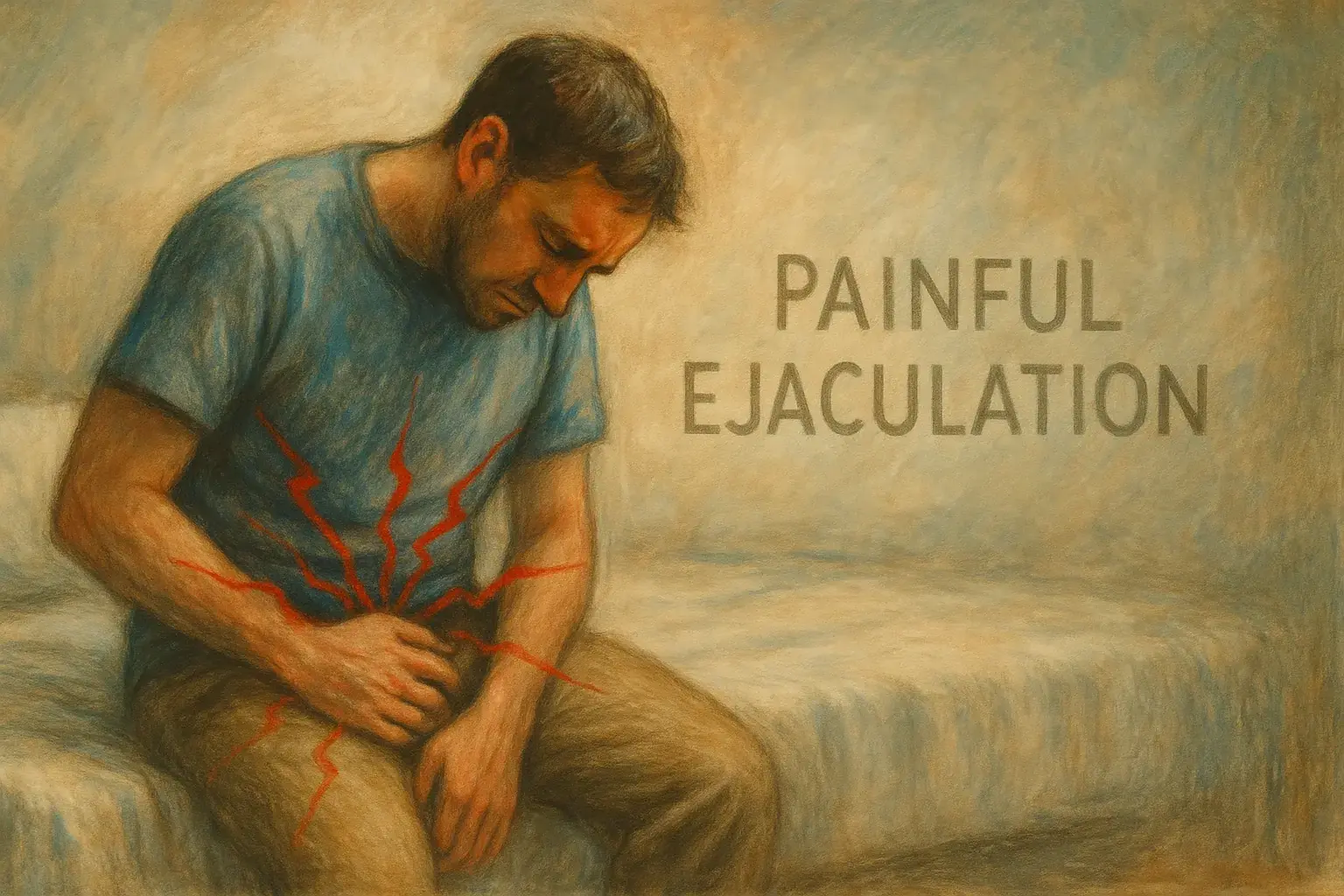
The pain can feel sharp, burning, or throbbing in the penis, scrotum, or lower pelvis. It may begin just before climax or moments after and last from a few minutes to several hours.
Common causes include urinary or prostate infections, nerve irritation, medication effects, or anxiety. Sometimes both body and mind contribute, so medical evaluation matters.
Ignoring the pain or hoping it disappears rarely helps. Early treatment not only relieves symptoms but also restores comfort and confidence in sex.
How Common Is It?
Research suggests that 1–25% of men experience painful ejaculation at some point. In Bangladesh, the real figure is likely higher because few men talk about it. Some feel a brief sting; others describe deep pelvic pain that affects intimacy. The condition can appear alone or alongside urinary or erectile problems.
Painful Ejaculation Symptoms
Symptoms differ widely. For some, it’s mild discomfort; for others, a severe ache that lingers. It might happen only with a partner and not during masturbation, hinting at emotional factors.
Typical signs include:
- Pain or burning before, during, or after ejaculation
- Discomfort in the penis, testicles, perineum, or lower abdomen
- Burning urination after sex
- Discharge or frequent urges to urinate if infection is present
Constant pain can lower self-confidence and make intimacy stressful.
Possible Complications
If left untreated, painful ejaculation can lead to:
- Sexual dysfunction: Ongoing pain often reduces desire or causes erectile difficulty.
- Relationship stress: Discomfort and anxiety can distance partners.
- Infertility risk: Avoiding sex or blocked ducts may affect fertility.
- Emotional strain: Long-term pain can trigger frustration, guilt, or depression.
Identifying the cause early helps avoid these knock-on effects.
Main Causes
Painful ejaculation may result from infection, inflammation, surgery, medication, or psychological stress. Common factors among Bangladeshi men include:
1. Urinary Tract Infections (UTIs)
Though less frequent in men, UTIs can cause burning after ejaculation or urination. Other signs include cloudy urine, urgency, or fever. Without antibiotics, infection may spread to the prostate or kidneys.
2. Sexually Transmitted Infections (STIs)
Infections like chlamydia, gonorrhea, syphilis, trichomoniasis, and herpes can inflame the urethra or prostate, making ejaculation painful. Early diagnosis protects both you and your partner.
3. Inflammatory Conditions
Inflammation in the reproductive tract is a leading cause:
- Urethritis: Swelling of the urethra, causing burning and irritation.
- Prostatitis: Prostate inflammation, common after age 30, often causing pain and sometimes blood in semen.
- Epididymitis: Inflammation of the sperm-storing tube, leading to scrotal pain that worsens with orgasm.
- Orchitis: Painful swelling of one or both testicles due to infection or autoimmune issues.
4. Ejaculatory Duct Obstruction
Small ducts that carry semen may be blocked by stones or scar tissue, especially after prostate surgery. The built-up pressure causes pelvic or testicular pain and may reduce semen volume.
5. Surgical After-Effects
Procedures such as prostate or hernia surgery — or vasectomy — sometimes irritate nearby nerves. This sensitivity can make ejaculation painful, though the issue is often temporary.
6. Medication Side Effects
Certain antidepressants, SNRIs, and muscle relaxants may disrupt nerve signals and cause discomfort. Adjusting the medicine under medical advice usually solves it.
7. Nerve or Pelvic Floor Disorders
Trapped nerves or chronic pelvic pain syndrome (CPPS) can create persistent genital pain. For some men, the ache eases after orgasm; for others, it worsens. Pelvic physiotherapy often helps.
8. Poor Hygiene or Friction
Frequent sex or masturbation without cleaning or lubrication can irritate skin or cause infections like balanitis. Good hygiene and safe practices prevent this.
9. Psychological Factors
When no physical reason appears, stress, guilt, or performance anxiety may be the root. Pain that happens only with a partner often has an emotional cause. Counseling can be highly effective.
Risk Factors for Painful Ejaculation in Bangladesh
Several conditions and habits can raise the chance of painful ejaculation. Common risk factors include:
- Prostate problems, Peyronie’s disease, or diabetes
- Past surgery on the penis, prostate, or bladder
- Repeated urinary or genital infections
- Autoimmune or long-term inflammatory disorders
- Nerve-related conditions affecting the pelvis
- Congenital tract issues such as Zinner syndrome
- Unprotected or high-risk sexual behaviour
- Poor hygiene or irregular cleaning habits
In Bangladesh, late doctor visits and self-medication often make these issues worse. Spotting symptoms early — like burning after sex or pelvic discomfort — helps prevent lasting complications.
Diagnosing Painful Ejaculation
Many men feel uneasy discussing this problem, yet medical evaluation is key. In Bangladesh, urologists and sexologists treat such cases privately and respectfully.
Diagnosis starts with a full medical and sexual history, followed by an exam of the penis, testicles, and prostate. Doctors may also suggest:
- Urine and semen tests to check for infection or inflammation
- STI screening if a sexually transmitted cause is suspected
- Ultrasound or imaging to examine the prostate and ducts
- Digital rectal exam (DRE) for prostate assessment
- Pelvic floor check to detect muscle tension
After identifying the cause, the doctor builds a treatment plan that may combine medicine, physiotherapy, and counselling.
Treatment Options
Treatment depends on what’s behind the pain. Most men recover with focused medical care and small lifestyle changes. Never adjust prescribed drugs without medical advice.
Main options include:
- Antibiotics for bacterial infections such as UTIs or STIs
- Alpha-blockers like tamsulosin to relax prostate muscles and ease pressure
- Anti-inflammatory drugs (NSAIDs) for pain linked to prostatitis or urethritis
- Nerve therapy or targeted medication when nerves are involved
- Pelvic physiotherapy to release tight pelvic muscles and reduce chronic pain
- Prostate massage or biofeedback to improve blood flow and relieve congestion
- Counselling or sex therapy when stress or anxiety worsens pain
In Bangladesh, combining medical and psychological care works best. Avoid self-prescribed antibiotics or unverified “herbal cures,” which can hide infection and delay healing.
Prevention and Lifestyle Care
Healthy routines reduce the chance of recurrence:
- Practice safe sex and use condoms
- Keep good genital hygiene
- Stay hydrated and eat balanced meals
- Exercise and manage stress
- Quit smoking and limit alcohol
- Treat urinary or genital problems early
Local note: Many men in Bangladesh turn to over-the-counter “quick remedies.” These often mask the cause instead of fixing it. The safest path is a proper diagnosis and guidance from a qualified urologist.
Next Steps
Pain during ejaculation is uncomfortable but treatable. Don’t wait for it to fade. Consulting a urologist early helps identify the cause, restore comfort, and rebuild confidence in your sexual health.
Frequently Asked Question (FAQ): Painful Ejaculation in Bangladesh.
Why does it burn when I ejaculate?
Burning during ejaculation is often caused by prostate inflammation (prostatitis), urinary or urethral infection, or sexually transmitted infections. Certain antidepressants and nerve or pelvic muscle tension can also trigger it. In Bangladesh, proper testing and timely treatment with antibiotics or anti-inflammatory medicine usually bring relief, while pelvic physiotherapy helps if nerves are involved.
Is painful ejaculation usually linked to prostatitis?
Yes, in many cases. Prostatitis—an inflammation of the prostate—can cause genital or pelvic pain, burning during urination, and discomfort while ejaculating. It often overlaps with chronic pelvic pain syndrome. Doctors usually check urine and semen, assess the prostate, and may do imaging. Treatment depends on the type, ranging from antibiotics to pelvic physiotherapy.
Which doctor should I consult for this in Bangladesh?
A urologist is the right specialist. They handle urinary and male reproductive issues, including ejaculation pain. Expect a private consultation, medical history review, and examination of the prostate and genitals. Tests may check for infection or blockage. In cities like Dhaka and Chattogram, modern urology centers offer complete diagnosis and follow-up care.
How do doctors diagnose painful ejaculation?
Diagnosis begins with a detailed history and physical exam, followed by urine and semen tests, STI screening, and ultrasound if needed. A digital rectal exam checks prostate health. When obstruction is suspected, imaging looks at the ejaculatory ducts. The results guide personalized treatment—ranging from medication to pelvic or nerve therapy.
What is the best treatment for ejaculation pain?
Treatment depends on the cause. Doctors may prescribe antibiotics for infection, alpha-blockers to relax prostate muscles, or anti-inflammatory drugs for swelling. Pelvic physiotherapy eases muscle or nerve pain, while counselling helps if stress contributes. In Bangladesh, combining medical and psychological care offers the fastest and most lasting recovery.
Can painful ejaculation cause erectile problems or infertility?
Yes, indirectly. Persistent pain can lead to sexual avoidance, which may affect erections over time. In some men, prostate blockage, severe infection, or chronic prostatitis can reduce semen flow or sperm quality. Early medical care prevents these complications and helps restore normal sexual function and confidence.