What Is Male Anorgasmia? Causes, Symptoms, and Treatment Options
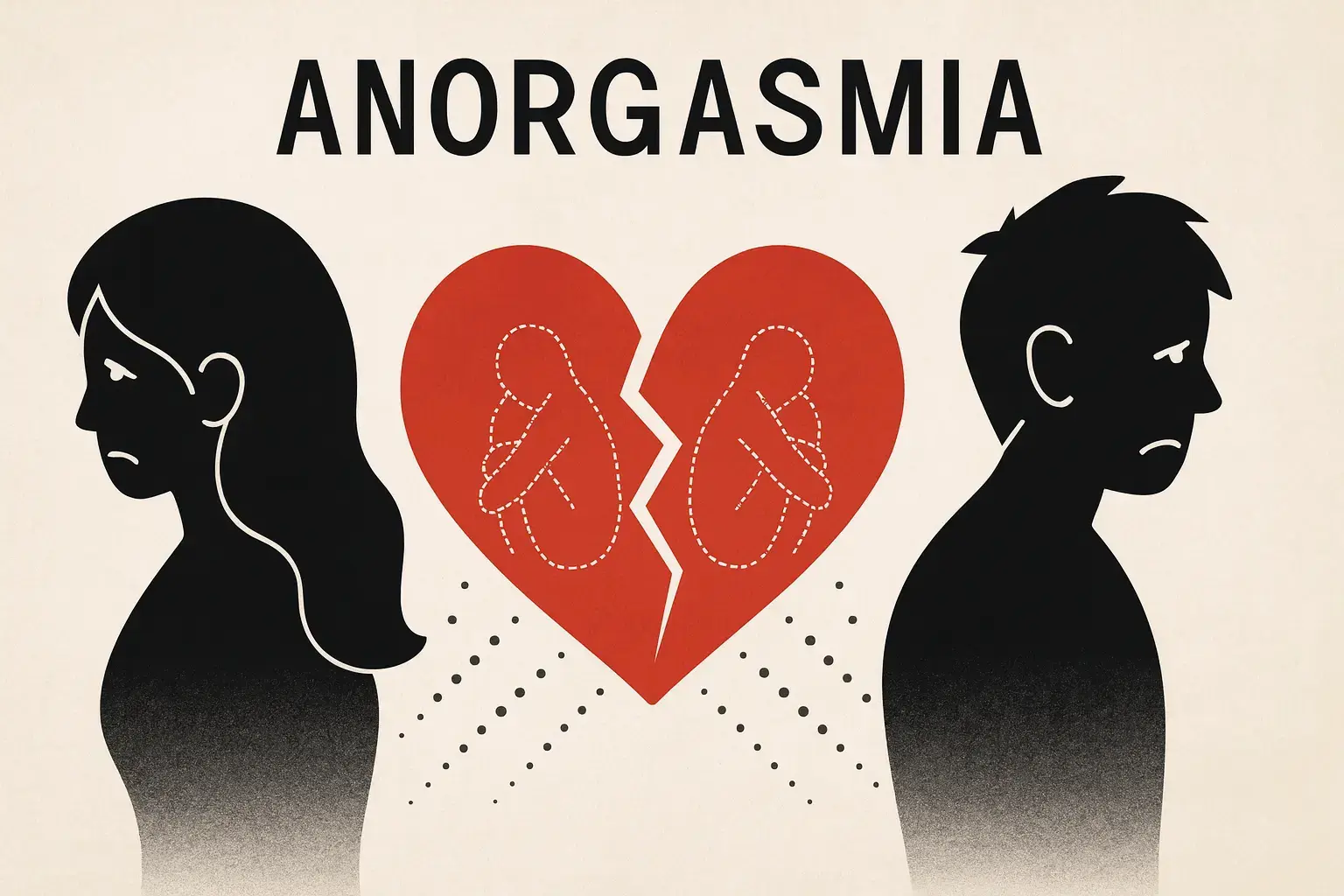
Anorgasmia is one of the lesser-known male sexual dysfunctions, marked by the inability or extreme difficulty to reach orgasm even when arousal and stimulation feel normal. In Bangladesh, many men silently face this problem but hesitate to seek help due to stigma, low awareness, or confusion with better-known issues like erectile dysfunction (ED) or premature ejaculation (PE). Though it doesn’t cause physical pain, its emotional impact can be serious — leading to frustration, anxiety, and loss of sexual confidence that often affects relationships and self-esteem.
What Is Anorgasmia?
Anorgasmia is the persistent or recurrent inability to reach orgasm despite normal sexual stimulation. It may occur during intercourse or masturbation and often causes distress for both partners. Terms like delayed ejaculation or inhibited orgasm are sometimes used in a similar context, but anorgasmia means a complete absence of orgasm, not just a delay. For many men, it feels as if everything works — except the final release. The experience can be confusing, frustrating, and emotionally draining.
Types of Anorgasmia in Men
Experts usually divide anorgasmia into two main types.
Primary anorgasmia occurs when a man has never reached orgasm at any stage of his sexual life, usually from his earliest experiences.
Secondary anorgasmia develops later, after a period of normal function. It may appear suddenly and sometimes depends on the situation — for instance, a man may climax alone but not with a partner. Emotional stress, trauma, or performance anxiety often play a part.
In Bangladesh, secondary anorgasmia is more common and often linked to diabetes-related nerve damage, antidepressant or blood-pressure medication, and long-term psychological stress.
Though rarer than ED or PE, anorgasmia still affects a noticeable number of men. Studies suggest about 1.5 in every 1,000 men experience lifelong (primary) anorgasmia, while up to 4 percent of men under 65 may develop it later. The risk increases with age, chronic illness, and certain medicines. In recent years, heavy pornography use has also been linked to reduced orgasmic response, where real intimacy feels less satisfying.
Beyond the physical problem, anorgasmia can quietly affect emotional well-being. Men may feel inadequate, avoid intimacy, or lose interest in sex altogether. Over time, this can weaken communication and trust in relationships. Understanding both the physical and psychological sides of the condition is the first step to recovery. With honest discussion, proper evaluation, and emotional support, most men can regain satisfaction and confidence in their sexual lives.
Symptoms of Anorgasmia
The main symptom of anorgasmia is the inability to reach orgasm even with normal arousal and stimulation. But the effects often go beyond that. Many men begin to feel anxious, frustrated, or disconnected from their partners. Repeated failure to climax can lower confidence and create tension in relationships. Over time, these feelings may reduce sexual desire or lead to other problems such as erectile dysfunction.
Some men start avoiding sex, fearing disappointment or embarrassment. Others try to masturbate more often in hopes of finishing, which usually adds to frustration. Partners may misunderstand the situation, thinking it’s a lack of attraction. As stress replaces pleasure, interest in intimacy can fade altogether.
If these signs feel familiar, it’s worth talking to a qualified doctor or sex therapist. Identifying the cause early — whether physical, hormonal, or emotional — can help restore normal function and confidence before the issue worsens.
Causes of Anorgasmia
Anorgasmia can result from physical, psychological, or medication-related factors, and often from a mix of all three.
Psychological Causes
Emotional health plays a major role in sexual response. Depression, anxiety, and long-term stress can dull pleasure and make it hard to relax enough for orgasm. In Bangladesh, daily stress, financial pressure, or relationship tension often heighten performance anxiety — one of the leading triggers.
Fear of pregnancy, guilt, religious pressure, or past trauma can also affect the ability to orgasm. Some men lose interest or mental arousal during sex. Excessive pornography use can worsen the problem by conditioning the brain to respond only to visual or fantasy cues rather than real intimacy.
Physical and Medical Causes
Certain health issues and medications can interfere with orgasm. Long-term use of antidepressants, especially SSRIs, is a common cause. These drugs help mood but may reduce desire or delay orgasm. Similar effects can appear with antipsychotics, opioid painkillers, or prostate medicines like tamsulosin. Alcohol, smoking, and recreational drugs can make the problem worse.
Hormonal imbalances such as low testosterone or high prolactin can lower sensitivity and pleasure. Loss of penile sensation is also common in men with diabetes or nerve damage. In Bangladesh, diabetic neuropathy and post-surgery nerve injury are frequent contributors. When nerve signals weaken, orgasm becomes more difficult.
Behavioral Factors
Repeated or rough masturbation can train the body to need a specific kind of stimulation. During partnered sex, that same intensity may be missing, making orgasm harder to achieve.
Because several factors often overlap, proper medical assessment is essential. A doctor can review hormones, medication, and lifestyle to find the root cause. With the right guidance, most men regain normal sexual response, confidence, and intimacy.
Risk Factors for Anorgasmia
Several factors can raise the chance of developing anorgasmia. In Bangladesh, the causes often overlap — a mix of medical, psychological, and lifestyle influences.
Age and Health Conditions
With age, hormone levels drop and nerve sensitivity fades, making orgasm harder to reach. Older men are also more likely to face long-term conditions such as diabetes, high blood pressure, or prostate problems, all of which affect sexual function.
Mental Health and Medication
Depression, anxiety, and chronic stress often play a role. Medicines used to treat these issues — especially antidepressants (SSRIs) — may also reduce desire or block orgasm. Everyday pressure from work, relationships, or city life in Dhaka can heighten performance anxiety and worsen symptoms.
Past Trauma or Cultural Conditioning
Men who have experienced sexual trauma or grown up in strict environments where sex is seen as shameful may find it difficult to relax during intimacy. These mental blocks can quietly interfere with the body’s natural response.
Chronic and Neurological Illnesses
Diseases that damage nerves or circulation, such as diabetes, hormonal imbalance, or neurological conditions like Parkinson’s or multiple sclerosis, can affect orgasmic control. In Bangladesh, diabetic neuropathy is a frequent cause among middle-aged men.
Substance Use and Lifestyle
Heavy alcohol, smoking, or recreational drugs can numb sensitivity and reduce hormone activity. Over time, these habits make it harder for the body to respond normally.
Recognizing these risks early allows men to act before the condition becomes more severe. Treating health issues, managing stress, and improving lifestyle habits can restore sexual response and confidence.
Diagnosis of Anorgasmia
If reaching orgasm feels consistently difficult or impossible, it’s time to speak with a qualified doctor. Early evaluation helps identify whether the cause is physical, hormonal, or psychological.
During the consultation, your doctor will review your symptoms, medical history, and any medications. If the problem began after starting a new drug — such as an antidepressant or prostate medicine — mention it clearly.
A short physical exam may follow, along with simple diagnostic tests. Depending on the case, your doctor may suggest:
- Hormone tests: Blood tests for testosterone, prolactin, and thyroid levels, since imbalance can affect orgasm and desire.
- Penile sensitivity tests: If nerve damage is suspected, tools like biothesiometry or sacral reflex testing can measure sensitivity and nerve response.
These tests help pinpoint whether the issue is medical, medication-related, or psychological. Once the cause is clear, your healthcare provider can design a treatment plan — whether that means adjusting medicine, balancing hormones, or adding counseling and lifestyle support.
Treatment of Anorgasmia
Anorgasmia can have many causes, so there isn’t a single pill or quick fix. No FDA-approved drug currently exists specifically for male anorgasmia. Treatment depends on what’s behind it — whether emotional, hormonal, or physical — and should always be guided by a qualified doctor.
Your healthcare provider may refer you to a urologist, neurologist, psychiatrist, or sex therapist. With the right mix of therapy, medical care, and lifestyle changes, most men can regain normal orgasmic function.
Psychotherapy and Counseling
When anxiety, stress, or depression are part of the problem, therapy often helps. Talking with a psychologist or counselor can address emotional barriers that block sexual response. In Bangladesh, confidential online counseling has made this support easier to access.
Sex Therapy and Partner Support
Sex therapy or couples counseling can reduce pressure and improve communication. Learning to relax, trying new forms of arousal, and addressing negative thoughts about sex can rebuild confidence. Adjusting masturbation habits or fantasy patterns may also help if the problem is behavioral.
Medication Adjustment
If antidepressants or other drugs are affecting orgasm, your doctor may adjust or change them. Some antidepressants like bupropion have fewer sexual side effects. Never stop medication without your doctor’s advice.
Erectile Dysfunction Medicines
If mild erectile issues exist, drugs such as sildenafil (Viagra®) or tadalafil (Cialis®) may help. They don’t treat anorgasmia directly but can improve blood flow and reduce performance anxiety, giving you more time and stimulation to reach orgasm.
Hormonal Treatment
If low testosterone or high prolactin is found, hormone therapy may help. Testosterone replacement or prolactin-lowering medicine such as cabergoline (used off-label) can restore balance and improve response.
Penile Vibratory Stimulation
For men with low penile sensitivity or nerve damage, vibration therapy may help trigger orgasm. This involves applying gentle vibration to the frenulum — the sensitive area beneath the penis head — to enhance nerve response.
With patience, consistency, and proper medical support, most men can regain satisfaction and confidence in their sex lives.
Prevention of Anorgasmia
While not all cases can be prevented, a healthy routine and open communication can reduce risk.
Simple preventive steps include:
- Managing conditions like diabetes or hormonal imbalance
- Seeking therapy for anxiety or depression early
- Talking openly with your partner about sexual needs
- Avoiding smoking, heavy drinking, and recreational drugs
- Letting go of guilt or negative beliefs about sex
- Eating well, sleeping enough, and exercising regularly
- Practicing pelvic floor exercises to strengthen control
Balanced mental and physical health is the best defense against sexual dysfunction.
In a Nutshell
If orgasm difficulties are affecting your relationship or confidence, know that help is available.
Anorgasmia varies from person to person. Some men have never reached orgasm (primary), while others lose the ability later (secondary). Some can climax only during masturbation, while others can’t in any situation.
The causes often overlap — psychological stress, nerve damage, medication side effects, or hormonal imbalance. Finding the root cause is key.
Though there’s no single cure, with proper diagnosis and treatment, most men see strong improvement. Be honest with your doctor about any related issues like weak ejaculation or sensitivity loss so your care can be tailored to you. Recovery takes time, but confidence and satisfaction can return with the right approach.
Anorgasmia in Bangladesh: Answers to Common Questions
Clear, doctor-reviewed answers to common questions about anorgasmia in Bangladesh.