Alopecia Barbae in Bangladesh: Symptoms, Causes, Diagnosis & Treatment
Alopecia barbae is a form of alopecia areata that affects the beard, leading to sudden, patchy facial hair loss. For many men in Bangladesh, this can feel unsettling because beard grooming is closely tied to appearance and confidence. While the condition isn’t medically dangerous, the emotional impact can be significant. Some men regain hair naturally, while others experience recurring episodes.
What Is Alopecia Barbae?
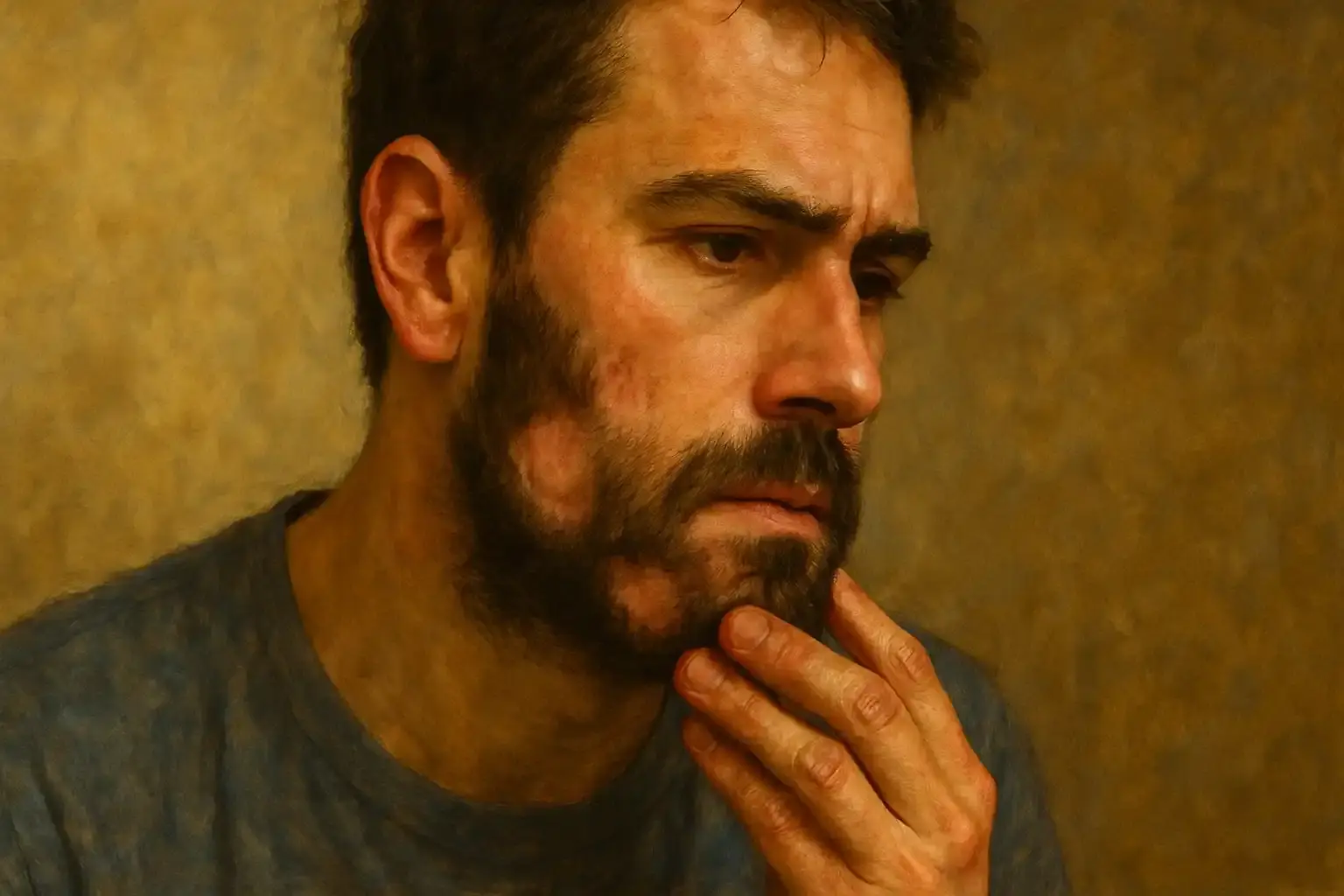
Alopecia barbae—often called beard alopecia—is an autoimmune disorder where the immune system mistakenly targets healthy beard follicles. This creates smooth, sharply defined bald patches that may stay the same size or gradually spread.
The onset is typically sudden. A person may notice one small patch at first, with hair sometimes growing back on its own. Early regrowth often appears lighter before returning to its usual color and thickness.
Symptoms of Alopecia Barbae
Patchy Beard Hair Loss
Round or oval bald spots appear within the beard. These may stay isolated or merge over time.
Changes in Regrowth
New hair may look white or lighter at first due to reduced pigment. Some areas fill in quickly, others take longer.
Progression of Hair Loss
Some men have one stable patch; others see new spots develop. In fewer cases, hair loss also appears on the scalp or eyebrows.
Minimal Inflammation
The skin under the patch usually looks smooth and normal. Redness or scaling is uncommon. Mild itching may occur before hair sheds.
Fluctuating Cycles
Periods of loss and regrowth can alternate, often without a clear pattern.
Causes of Alopecia Barbae
Autoimmune Reaction
The immune system misidentifies beard follicles as harmful and attacks them.
Genetic Tendencies
Men with family members who have autoimmune conditions—such as alopecia areata, type 1 diabetes, or rheumatoid arthritis—may be more prone to developing beard alopecia.
Environmental Triggers
Illnesses, infections, seasonal changes, or exposure to irritants can disrupt immune balance and trigger patchy hair loss.
Stress & Emotional Strain
Long-term stress can affect immune responses and may worsen episodes.
Hormonal Factors
Thyroid or endocrine imbalances may disrupt normal hair growth cycles.
Most cases involve a combination of these factors rather than one clear cause.
Risk Factors for Alopecia Barbae
Family History of Autoimmune Issues
A shared immune sensitivity may increase susceptibility.
Existing Autoimmune or Endocrine Conditions
Thyroid disease, Celiac disease, or lupus may heighten risk.
Chronic Stress
Ongoing psychological or physical stress can trigger flare-ups.
Recent Illness or Infection
Viral illnesses or fevers may precede sudden beard shedding.
Hormonal Irregularities
Unexpected fatigue, weight changes, or mood shifts—along with beard thinning—may signal endocrine involvement.
Diagnosing Alopecia Barbae
A proper diagnosis is essential because several conditions can mimic patchy beard loss.
Medical History & Symptom Review
Your dermatologist may ask about family history, recent illnesses, stress levels, and how the patch developed.
Physical Examination
Smooth patches without redness or scaling point toward alopecia barbae rather than infection or dermatitis.
Hair Pull Test
Gently pulling hairs near the area helps determine if active shedding is occurring.
Dermoscopy (Trichoscopy)
A dermatoscope reveals markers like “exclamation mark hairs” or yellow dots that support an alopecia areata pattern.
Skin Biopsy (If needed)
A small sample may be taken to rule out scarring alopecia or fungal infections in unclear cases.
Blood Tests
Thyroid levels, vitamin deficiencies, or immune markers may be checked to identify contributing factors.
Once diagnosed, treatment options depend on severity, spread, and any underlying triggers.
Treating Alopecia Barbae
There’s no single cure for alopecia barbae, but several options can help calm flare-ups and support regrowth. Some men even notice their beard filling in naturally over time. Treatment usually focuses on reducing inflammation, encouraging follicles to restart growth, and supporting overall health.
Topical Treatments
Topical corticosteroids
Prescription steroid creams or ointments are often the first step. They help reduce inflammation around the follicles and slow the immune reaction. Consistent use, as advised by a dermatologist, is important.
Minoxidil
Minoxidil improves blood flow to the follicles and may help dormant beard hairs return to the growth phase. Although best known for scalp use, it can also support beard regrowth.
Topical immunotherapy
Agents like diphencyprone (DPCP) may be used for stubborn or recurring patches. They create a controlled skin reaction that can redirect the immune system’s focus. These treatments are usually reserved for men who don’t respond to simpler options.
JAK inhibitors
Medications such as tofacitinib and ruxolitinib target immune pathways linked to alopecia areata. Oral forms are used for more severe cases, while topical versions are still being studied. Many patients see noticeable regrowth over several months.
Anthralin
Originally used for psoriasis, anthralin slows excessive skin cell activity and reduces inflammation. Dermatologists may prescribe it when other topicals aren’t effective enough.
Injections
Corticosteroid injections
Small steroid injections placed directly into the patch every few weeks can help restart growth in well-defined bald spots.
Platelet-rich plasma (PRP)
PRP uses concentrated platelets from your own blood to stimulate follicle repair. While more common for scalp treatment, some specialists offer it for beard areas too. Results vary, and multiple sessions are usually needed.
Lifestyle & Stress Management
Lifestyle changes won’t cure alopecia barbae, but they can help reduce flare-ups. Because stress affects immune balance, regular exercise, meditation, or simple relaxation routines can make a difference.
A balanced diet rich in vitamins, minerals, antioxidants, and omega-3 fats supports general hair health. Some men also try natural approaches; for example, one small study found garlic gel used with steroid cream helpful for alopecia areata, though results differ.
Alopecia Barbae Prevention Tips
Alopecia barbae can’t always be prevented, but certain habits may help lower the risk of flare-ups.
Manage stress
Meditation, walking, stretching, or quiet time outdoors can help stabilize the body’s stress response.
Support immunity
Nutritious meals, regular activity, good hygiene, and 7–9 hours of sleep help maintain immune balance.
Care for your gut
Fiber-rich foods and fermented items like yogurt or kefir can support a healthy microbiome, which may benefit autoimmune stability.
Routine health check-ups
Regular blood tests can identify thyroid issues, nutrient deficiencies, or other factors linked to hair shedding.
Gentle beard care
Avoid aggressive shaving or harsh products. Use mild beard cleansers and follow up with soothing oils like jojoba or argan to reduce irritation.