Itchy Beard: Symptoms, Causes, Diagnosis & Treatment
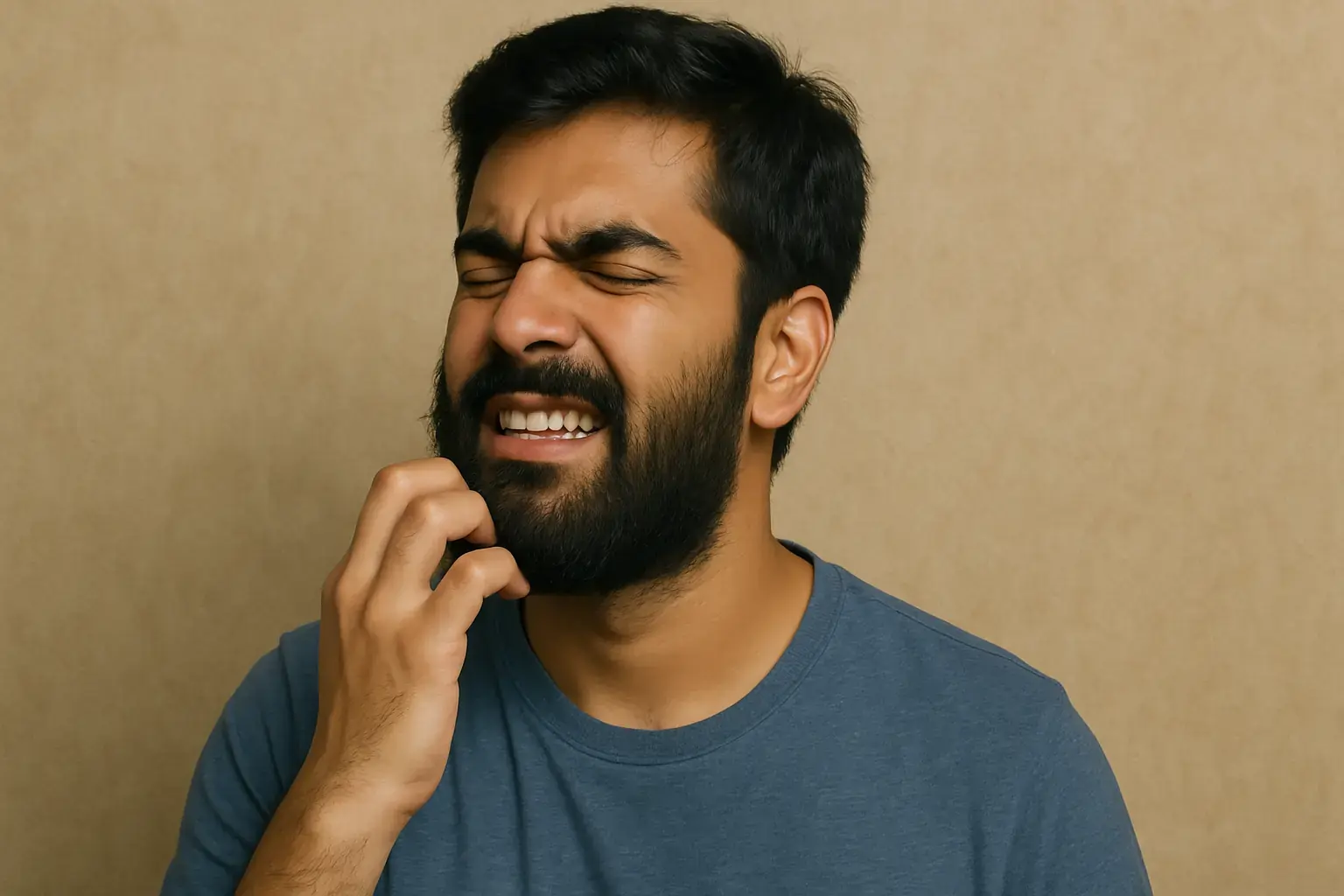
An itchy beard is something almost every man faces, from fresh stubble to a full-grown beard. A little itch is normal, but when it keeps coming back, it usually means the skin underneath is irritated. Dryness, product residue, ingrown hairs, or conditions like seborrheic dermatitis are often behind it.
In Bangladesh, heat, humidity, dust, and winter dryness make the issue even more common. Understanding what’s causing the irritation helps you treat it properly and keep it from returning.
What Is an Itchy Beard?
An itchy beard usually means the skin under your facial hair is dry, inflamed, or reacting to a product or routine. Beard hair pulls moisture from the skin as it grows, and the sharp edges of new strands can rub against the surface. Sometimes clogged follicles, mild infections, or sensitivity to certain products trigger the itch. When it becomes frequent, it’s a sign your skin needs more attention.
Symptoms of an Itchy Beard
Signs can vary from mild to uncomfortable:
- Persistent itch or a burning sensation
- Dryness, flaking, or “beard dandruff”
- Redness or small cracks in the skin
- Painful bumps from ingrown hairs
- Flaky patches or pus-filled spots in infection
- Odor from sweat and buildup trapped under the beard
If these symptoms keep coming back, the underlying cause needs to be addressed.
Causes of an Itchy Beard
Understanding what’s triggering the itch starts with your grooming habits, products, and environment.
Dry Skin
Beard hair absorbs moisture from the skin, causing flaking and redness—especially during colder months in Bangladesh.
Ingrown Hairs
Curly or coarse hairs can curl back into the skin, causing bumps that itch or become sore.
Razor Burn
Shaving too closely or with a dull blade irritates the skin, and freshly growing hairs can poke and worsen the discomfort.
Product Buildup
Heavy oils, balms, and shampoos can clog follicles. Trapped dirt and bacteria then trigger irritation.
Fungal or Bacterial Infections
Poor beard hygiene lets fungus or bacteria thrive, leading to persistent itching, flakes, or pus-filled bumps.
Skin Conditions
Eczema, psoriasis, and seborrheic dermatitis make the skin more reactive and prone to inflammation.
Weather & Environment
Dry winter air strips moisture, while harsh sun weakens the skin barrier—both increasing irritations.
Allergic Reactions
Fragrances or harsh ingredients in grooming products can trigger redness and ongoing itch.
Risk Factors for Itchy Beard in Bangladesh
You’re more likely to experience beard itch if you:
- Live or work in dusty, polluted areas
- Sweat heavily in humid weather without proper cleansing
- Use harsh soaps or highly fragranced products
- Have naturally coarse or curly beard hair
- Shave irregularly with old or unclean razors
- Already have eczema or dermatitis
These factors often overlap, which is why the itch can keep returning.
Diagnosis of an Itchy Beard
A dermatologist may examine:
- How long the itch has lasted
- Whether there’s redness, flakes, or bumps
- Your beard-care routine and products
- Any history of allergies or chronic skin issues
In Bangladesh, many men delay seeking help, but persistent itching—especially with rashes, oozing, or pain—should be checked early for proper treatment.
Treatment
Treating an Itchy Beard
Most cases improve with consistent, simple care.
Regular Cleansing
Use a mild, sulfate-free beard wash to clear sweat, oil, and dirt. Harsh soaps worsen dryness and irritation.
Daily Moisturizer
Beard oils or balms hydrate both the hair and skin. Jojoba, argan, or similar oils soften the beard and reduce friction.
Exfoliation
A beard brush or comb removes dead skin, spreads natural oils, and helps prevent ingrown hairs.
Soothing Natural Options
Aloe vera or tea tree oil can calm irritation and provide mild antimicrobial benefits.
Medical Treatments
If the irritation is caused by tinea barbae or seborrheic dermatitis, antifungal creams or ketoconazole shampoos may be needed. Persistent redness or sores should be evaluated by a dermatologist.
Laser Hair Removal
For stubborn, recurring cases tied to inflammation or infection, laser hair removal may be an option.
Most men improve with one or a mix of these methods. Follow medical guidance if treatment is prescribed.
Prevention
Itchy Beard Prevention Tips
Good habits go a long way in preventing the itch from returning.
Practice Good Beard Hygiene
Regular washing removes oil, dirt, and bacteria. Clean razors and new blades help avoid irritation.
Keep Your Face Hydrated
Daily beard oil or moisturizer prevents dryness and flaking.
Trim Regularly
Trimming reduces friction and keeps the beard easier to maintain.
Protect Against Weather
Use richer hydration in winter and a beard-friendly sunscreen during strong sun.
Choose Products Wisely
Gentle, fragrance-light formulas reduce the chance of irritation.
Practice Proper Shaving Techniques
Exfoliate before shaving and use a sharp razor to avoid razor burn and ingrown hairs.
⚠️ Note:
This information is for general awareness only. Persistent, worsening, or painful beard itch should be examined by a qualified dermatologist for an accurate diagnosis and safe treatment.