Retrograde Alopecia: Symptoms, Causes, Risk Factors & Diagnosis
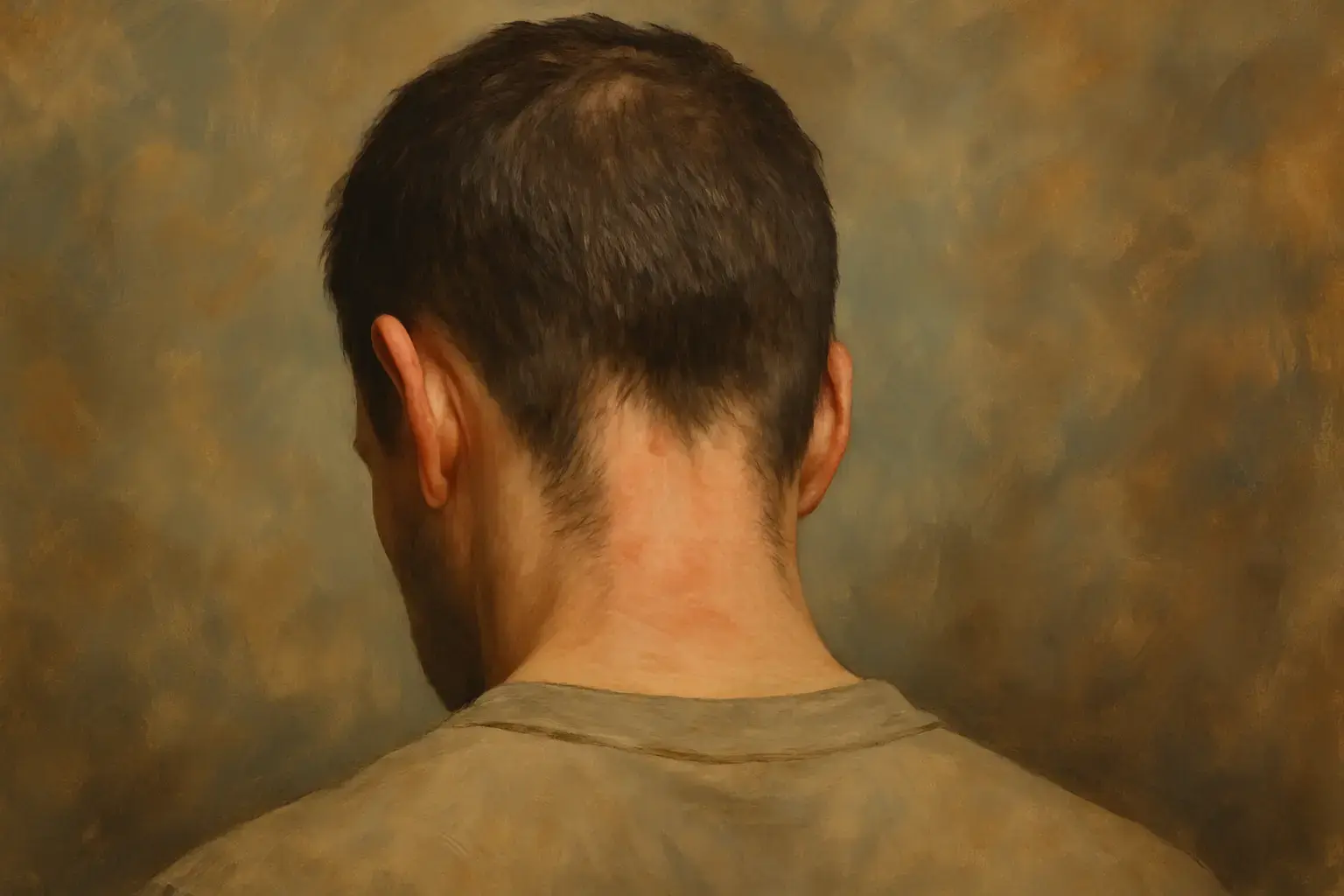
Retrograde alopecia is a pattern of hair thinning that starts at the nape of the neck or the sides of the scalp — areas usually unaffected by typical male pattern baldness. Because these regions are considered stable, many men overlook the early signs or assume it’s normal shedding.
Although research is limited, specialists believe retrograde alopecia is linked to androgenetic alopecia. Unlike the classic recession at the temples or crown, this form affects the lower scalp. In Bangladesh, thinning at the back or sides is often blamed on stress, grooming habits, or humidity — which can delay proper assessment.
Symptoms of Retrograde Alopecia
Retrograde alopecia develops slowly. Early changes may feel minor, such as less fullness at the nape or a slightly higher hairline on the sides.
Common symptoms include:
- Thinning at the lower scalp — hair looks lighter or less dense near the neck.
- Side hairline recession — the boundary of hair gradually shifts upward.
- Reduced thickness — strands become finer, and overall volume decreases.
- Even or patchy thinning — some men notice uniform recession, others see small sparse areas.
Because these areas don’t usually thin first, many men in Bangladesh confuse the signs with seasonal shedding or dandruff-related fall.
Causes of Retrograde Alopecia
There is no single cause, but several factors appear repeatedly among men who develop this pattern:
DHT Sensitivity
Dihydrotestosterone (DHT) can weaken follicles even in typically resilient regions when a man is genetically sensitive.
Nutrient Deficiencies
Low levels of iron, zinc, vitamin D, protein, or rarely biotin, may affect follicle strength. Nutrient gaps are common when diets lack balance or absorption is poor.
Stress
Long-term stress disrupts the hair cycle and can worsen existing thinning, especially when combined with androgen sensitivity.
Autoimmune Conditions
Diseases like lupus or alopecia areata can create patterns similar to retrograde thinning when the immune system targets follicles.
Genetics
Men with a family history of hair loss often show earlier or more noticeable thinning in these areas.
Risk Factors
A mix of lifestyle habits and underlying conditions can increase the chance of retrograde alopecia:
- Family history of hair loss
- Aging-related follicle weakening
- Tight hairstyles that pull on the nape and sides
- Frequent heat or chemical styling
- Chronic scalp issues like seborrheic dermatitis or psoriasis
In Bangladesh, high-hold gels, straightening, and rough hair handling often add extra stress to these zones.
Diagnosis
Retrograde alopecia affects areas many men don’t check closely, making diagnosis tricky without a clinical exam.
Dermatologists may use:
Clinical Evaluation
Checking hair density, pattern, and scalp condition to differentiate retrograde thinning from traction or typical androgenetic alopecia.
Photo Tracking
Comparing photos over time shows subtle changes and helps monitor progression.
Trichoscopy
Magnified scalp assessment reveals early follicle miniaturization or inflammation.
Hair Pull Test
Helps detect active shedding or cycle disruption.
Density Measurement
Counts hair per square centimeter to understand severity.
Scalp Biopsy
Used only when needed to rule out autoimmune or scarring alopecia.
A proper diagnosis is important, as different forms of hair loss can appear similar at the early stage.
Treatment for Retrograde Alopecia
Treating retrograde alopecia focuses on slowing the thinning, protecting the remaining hair, and encouraging healthier regrowth. Because this pattern often overlaps with androgenetic alopecia, many of the same treatments apply — but thinning at the nape or lower scalp sometimes needs a more targeted plan. There’s no permanent cure, but starting early usually offers the best chance of keeping your hair.
Medications
Medications are usually the first step for men who want to preserve or gradually restore hair without surgery.
- Topical Minoxidil
Minoxidil improves scalp activity and helps follicles stay in the growth phase. It comes as a liquid or foam and is used twice daily. Results take a few months, and staying consistent is important for maintaining progress.
- Oral Finasteride
Finasteride lowers DHT — the hormone responsible for shrinking hair follicles. It’s well-studied in male pattern hair loss and often helps with retrograde thinning too.
Other options, like oral minoxidil or topical finasteride, may be used under medical supervision, though they’re not FDA-approved for this purpose.
Low-Level Laser Therapy (LLLT)
LLLT uses gentle red-light wavelengths to stimulate follicles and improve blood flow. Laser caps, combs, and helmets can be used at home. Results come slowly, but regular use over several months can support density — especially when combined with minoxidil or finasteride.
Hair Transplant Surgery
If the thinning is advanced or medications don’t give enough improvement, transplantation becomes an option. Donor follicles from healthier areas are moved into thinning zones. Candidates must have enough donor hair, and if the scalp areas are limited, body hair may sometimes be used.
Two methods are available:
- FUE (Follicular Unit Extraction)
A minimally invasive technique that extracts single follicles. It leaves tiny scars and works well for restoring density at the nape or sides.
- FUT (Follicular Unit Transplantation)
The strip method provides more grafts in one session, making it useful for significant thinning. It leaves a linear scar, but it usually remains hidden.
After surgery, medical treatments are often continued to protect both transplanted and existing hair.
Prevention Tips for Retrograde Alopecia
Retrograde alopecia can’t always be prevented, especially when genetics or autoimmune issues are involved. Still, certain habits can help protect the hair you have and slow further thinning.
Use Hair-Loss Prevention Shampoos
Shampoos with ketoconazole or saw palmetto may help reduce shedding and support thicker growth in men with androgen-related thinning.
Eat a Balanced Diet
Good nutrition supports stronger follicles. Getting enough protein, iron, zinc, vitamin D, and other essential nutrients from a varied diet can make a noticeable difference.
Be Gentle With Your Hair
Avoid tight hairstyles, harsh chemicals, heat styling, and rough grooming. These habits put pressure on the nape and sides — the exact areas affected in retrograde alopecia. Keeping the scalp clean and healthy also helps.
Manage Stress
Chronic stress can worsen hair thinning. Daily habits like light exercise, time outdoors, or relaxation techniques can help reduce its impact.